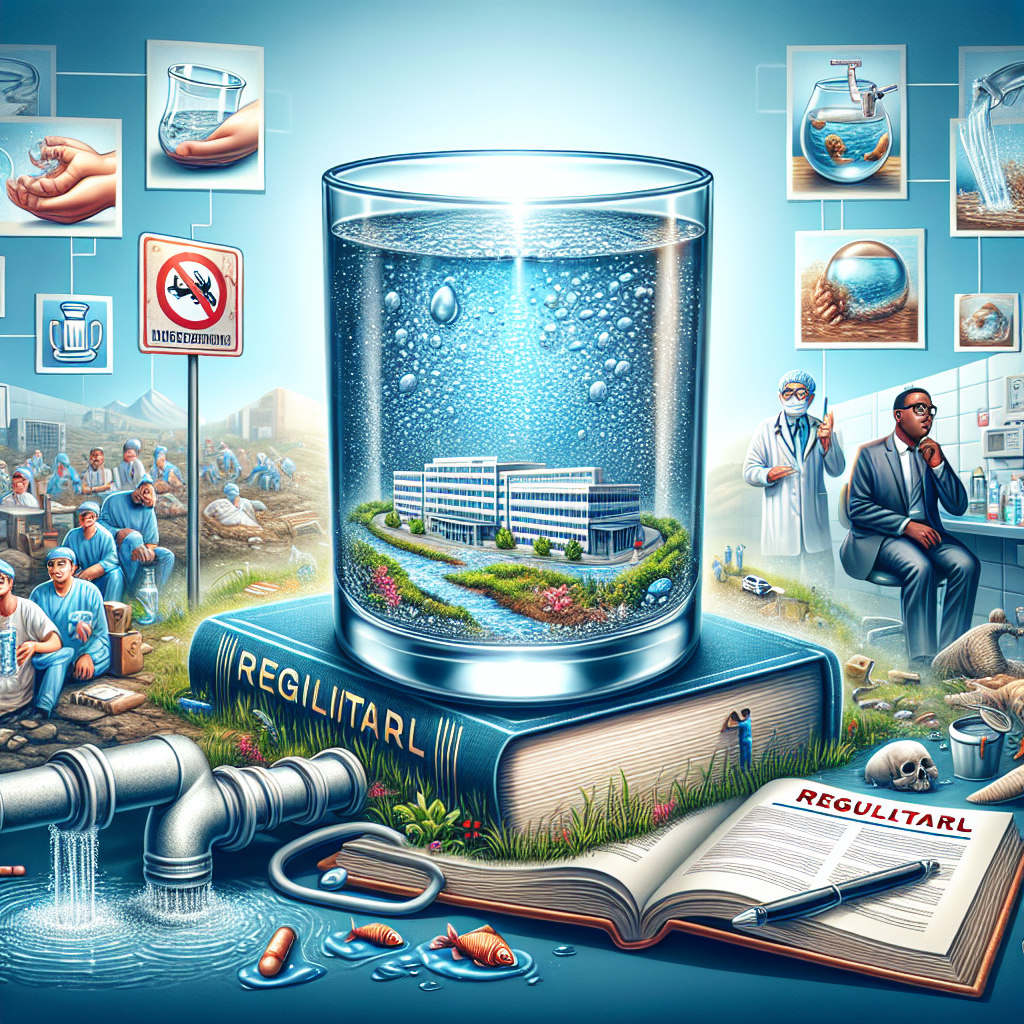
Waterborne Illness Prevention: Vital Steps to Avoid Regulatory Failures
Waterborne illnesses are a significant public health concern that can have serious consequences if not properly addressed. These diseases are caused by the consumption or exposure to contaminated water, leading to infections and health complications. Prevention is key in avoiding the spread of waterborne illnesses and reducing the risks associated with them. In this article, we will explore the vital steps that individuals, communities, and regulatory bodies can take to prevent waterborne illnesses and avoid regulatory failures.
Understanding Waterborne Illnesses
Waterborne illnesses are caused by various pathogens such as bacteria, viruses, and parasites that can contaminate water sources. When individuals consume or come into contact with contaminated water, they are at risk of developing illnesses such as gastrointestinal infections, skin diseases, respiratory problems, and more. Common waterborne diseases include cholera, typhoid fever, giardiasis, and norovirus.
Importance of Prevention
Preventing waterborne illnesses is crucial to safeguarding public health and preventing outbreaks of disease. By implementing effective prevention strategies, individuals and communities can reduce the risk of exposure to contaminated water and minimize the spread of waterborne pathogens. Regulatory bodies play a vital role in ensuring that water sources meet safety standards and are free from contamination, thus preventing regulatory failures that could lead to public health crises.
Vital Steps for Prevention
1. Water Source Protection: Protecting water sources from contamination is essential in preventing waterborne illnesses. Regulating activities near water sources, implementing proper waste management practices, and monitoring water quality are important steps in safeguarding water sources.
2. Water Treatment: Proper water treatment methods such as filtration, chlorination, and UV disinfection can help remove or inactivate harmful pathogens in water. Ensuring that water treatment facilities are well-maintained and functioning effectively is crucial in preventing waterborne illnesses.
3. Water Quality Testing: Regular testing of water quality is essential in identifying and monitoring potential contaminants in water sources. Timely detection of contamination can help prevent the spread of waterborne diseases and enable prompt remedial actions to be taken.
4. Public Education: Educating the public about the importance of safe water practices, proper hygiene, and water conservation can help raise awareness about waterborne illnesses and empower individuals to take preventive measures in their daily lives.
5. Regulatory Oversight: Regulatory bodies play a key role in setting and enforcing water quality standards, monitoring compliance with regulations, and conducting inspections to ensure the safety of water sources. Effective regulatory oversight is essential in preventing regulatory failures that could compromise public health.
Conclusion
Preventing waterborne illnesses requires a multi-faceted approach involving individuals, communities, and regulatory bodies working together to safeguard water sources and ensure water safety. By understanding the importance of prevention and implementing vital steps such as water source protection, water treatment, water quality testing, public education, and regulatory oversight, we can collectively reduce the risks of waterborne diseases and avoid regulatory failures.
For legal consultation on water safety regulations and compliance, contact Kemp Jones Law Offices using the form on the website’s contact page.