Real Water Legacy: Unraveling the Shocking Truth
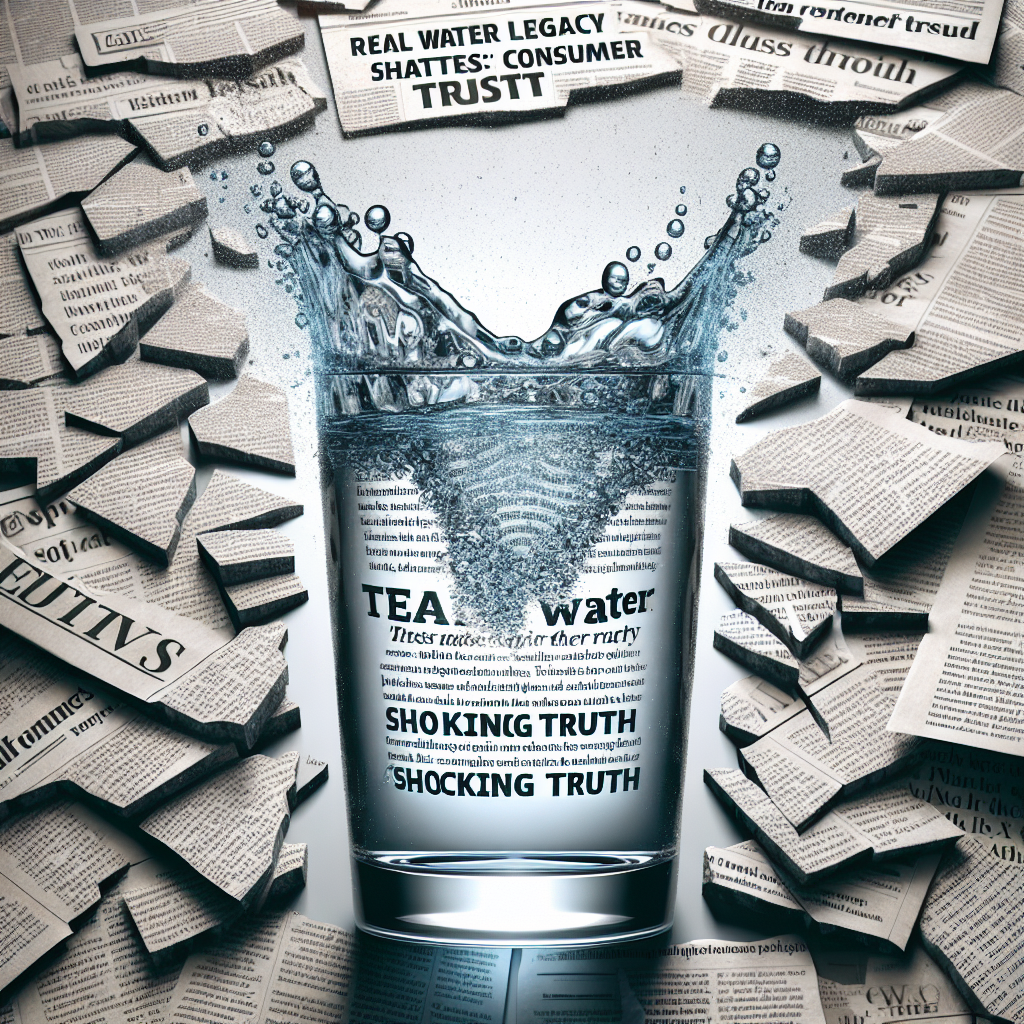
Real Water Legacy and Its Impact on Consumer Trust
Real Water Legacy has become a contentious topic following revelations that have shaken consumer confidence. For many, Real Water, a popular bottled beverage, was a staple due to its marketed health benefits and pristine image. However, recent developments have raised concerns regarding its safety and integrity, fundamentally affecting how consumers perceive the brand and its legacy.
Origins of Real Water
Real Water emerged in the market with promises of superior hydration and health benefits. Bottled as an alkaline water, it was said to offer unique properties due to a proprietary process claiming to enhance hydrogen ions. This positioning carved out a niche among health-conscious consumers who sought alternatives to traditional bottled water.
With marketing strategies emphasizing detoxifying and energizing properties, Real Water quickly gained a following. Many consumers were drawn to its claims of improved hydration levels and additional health benefits, setting the stage for a brand reputation built on wellness and innovation.
The Crisis That Changed Everything
In late 2020, reports began surfacing linking Real Water to a series of health issues, particularly acute liver failure among some consumers. An increasing number of cases prompted investigations by health authorities, leading to a stark warning from the Food and Drug Administration (FDA). The advisories urged consumers to avoid drinking, cooking with, or even washing dishes with the product.
The findings were staggering. The investigation revealed potential contamination and quality control issues in the bottling process. This was a turning point not only for the brand but also for consumer trust, which plummeted rapidly following these revelations.
Consumer Trust: Can It Be Restored?
The Fallout on Consumer Trust
The Real Water crisis laid bare the fragility of consumer trust. Once compromised, trust in a brand becomes incredibly challenging to rebuild. The brand saw an immediate impact as consumers, once loyal to its promises, felt betrayed and misled. Social media platforms and review sites became hotbeds of criticism, with users sharing their disappointment and anger.
Restoring consumer confidence requires a multifaceted approach. First, the company must show genuine accountability by addressing the root causes and taking responsibility for any lapses. Transparency in its processes and a commitment to quality assurance are vital. Regular public updates and independent audits can demonstrate a commitment to rebuilding trust and improving safety standards.
Legal Consequences and Corporate Responsibility
The legal implications of the Real Water crisis have been profound. Lawsuits began to surface, with affected consumers seeking reparations for medical costs and damages incurred. Legal proceedings have emphasized the importance of corporate responsibility and the need for stringent adherence to safety standards in the production of consumables.
These developments serve as a cautionary tale for other companies in the food and beverage industry. Prioritizing consumer safety and maintaining rigorous quality controls are not merely legal obligations; they are essential components for sustaining consumer trust and brand legacy.
Shifting Consumer Expectations
Reevaluating Brand Loyalty
The Real Water incident highlights a shift in consumer expectations. Modern consumers are more informed and discerning, demanding transparency and integrity from the brands they support. Loyalty now goes beyond product satisfaction; it hinges on the assurance of ethical practices and corporate accountability.
Brands must navigate these evolving expectations by fostering open communication channels with their audience. Engaging consumers in meaningful dialogues about product origins, production methods, and quality assurance can reinforce trust. Moreover, embracing sustainability and ethical sourcing can further distinguish brands in a crowded market.
Lessons and Moving Forward
The Real Water legacy serves as a pivotal teaching moment for the industry. It underscores the importance of stringent regulatory compliance and the dire repercussions of neglecting consumer safety. Companies can learn from this incident by implementing robust quality controls, ensuring supply chain integrity, and fostering a culture of transparency.
For consumers, the incident acts as a reminder to remain vigilant and informed about the products they consume. It highlights the value of critical thinking and the need to hold brands accountable for their claims and practices.
Conclusion
The Real Water legacy and its impact on consumer trust offer valuable insights into the complexities of brand-consumer relationships. As the industry moves forward, the focus must remain on safeguarding consumer interests through transparency, accountability, and relentless commitment to product safety.
For those affected by the Real Water case, legal avenues may provide paths to resolution, with dedicated legal services ready to assist. Reach out regarding your Real Water and ALS case by visiting the contact page on our website. Explore more articles on our blog for additional insights, or call us directly at 702-385-6000 for a consultation.
References:
1. FDA Warning on Real Water
2. Consumer Reports on Alkaline Water Safety
3. Legal Implications and Consumer Safety Analysis