Real Water Lawsuits Updates: Shocking Regulatory Gaps
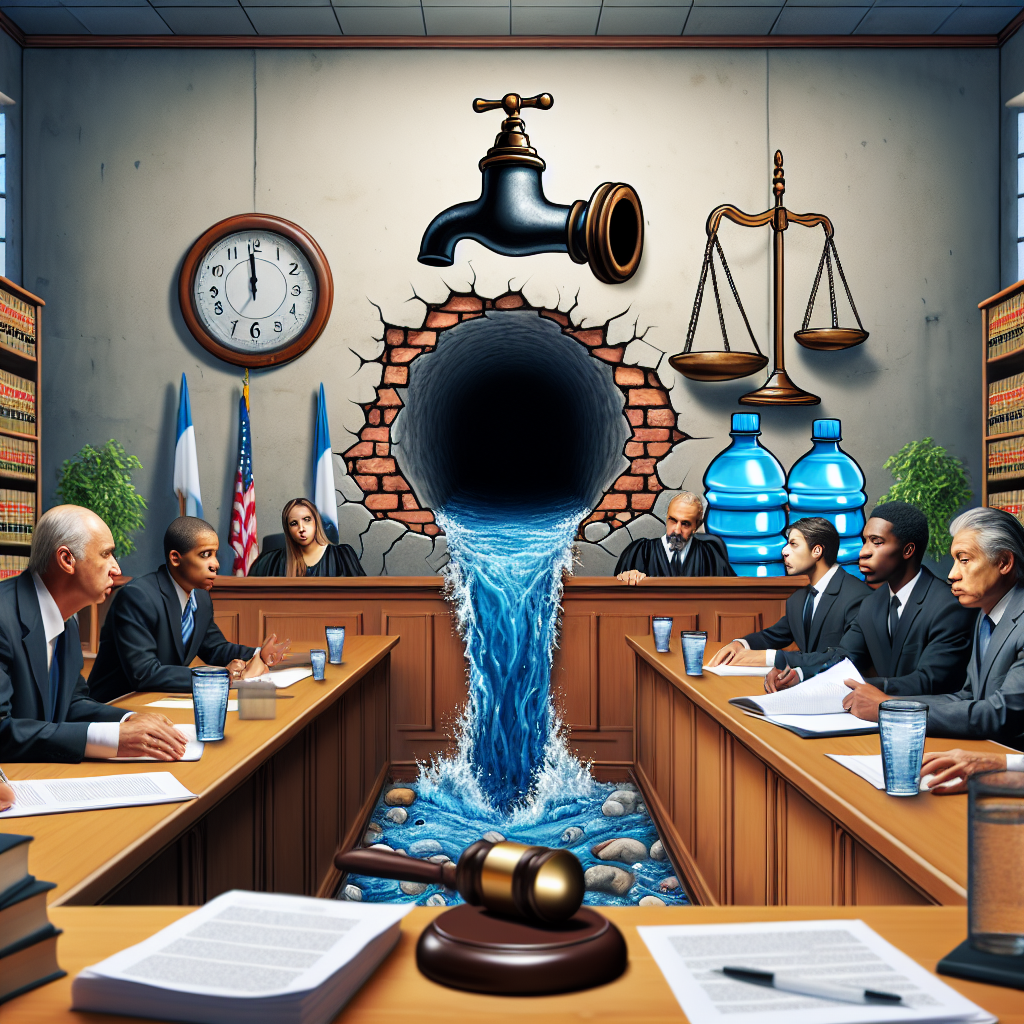
Unveiling the Real Water Lawsuits
Real Water lawsuits updates have become a significant point of discussion as people delve into the profound implications on health regulations. Real Water, a popular brand once marketed as “premium bottled water with alkalizing properties,” is facing a wave of lawsuits after numerous consumers reported serious health issues. These updates reveal a cascade of lawsuits and investigations, highlighting alarming regulatory gaps in the bottled water industry.
Understanding the Real Water Controversy
The controversy surrounding Real Water erupted when consumers allegedly experienced severe liver damage and other serious health conditions after consuming the product. Many victims reported symptoms like nausea, fatigue, and even liver failure. The revelation that something as seemingly harmless as bottled water could cause such health issues prompted immediate investigations and subsequent legal actions.
Real Water’s operations came under scrutiny from health authorities, including the FDA, in an effort to determine the root cause of these health problems. Preliminary findings suggested potential contamination at the production facility, but the exact cause of the illnesses remains under detailed investigation.
Shocking Regulatory Gaps in the Bottled Water Industry
The Real Water lawsuits updates have cast a spotlight on the regulatory deficiencies that plague the bottled water industry. Unlike tap water, which is strictly monitored under the Environmental Protection Agency (EPA), bottled water is regulated by the FDA. This distinction means bottled water can sometimes bypass stringent regulatory scrutiny.
Inadequate Testing and Oversight
The gaps in oversight have been starkly revealed through these lawsuits. Despite the health-oriented branding, Real Water’s production methods did not undergo the rigorous testing typically required for consumable goods. This lapse in testing underscores a systemic issue where products marketed as safer or healthier alternatives are not subjected to robust regulatory scrutiny.
Marketing Claims vs. Reality
Real Water’s branding heavily focused on health benefits, touting alkaline plus water capable of balancing pH levels and promoting overall wellness. Such marketing claims, often unchecked, can mislead consumers seeking healthier options. These claims were called into question during the investigations, proving there’s a grave need for stricter guidelines on health claims in product marketing.
The Legal Landscape: Current Status and Implications
As the Real Water lawsuits evolve, several broader legal implications for the industry are coming to light. Numerous consumers have filed class-action lawsuits against Real Water, alleging negligence and seeking compensation for medical expenses, pain, and emotional distress.
Class-Action Dynamics
Class-action lawsuits play a crucial role in holding corporations accountable for consumer safety. In the case of Real Water, these lawsuits aim not only to achieve justice for affected individuals but also to instigate systemic changes in how bottled water is regulated, tested, and marketed.
Settlements and Legal Precedents
While many cases are still in litigation, preliminary settlements could set substantial precedents for future regulatory practices. The unfolding of these cases may prompt tighter regulations and inspire more vigilant industry oversight—potentially resulting in significant changes in how bottled water companies operate.
Consumer Safety and Awareness
The Real Water lawsuits updates have heightened public awareness around consumer safety issues. For consumers, understanding the implications of these updates is crucial in making informed decisions about the products they consume. Awareness campaigns have been pivotal in educating the public about the potential risks associated with certain bottled water brands and encouraging skepticism toward unverifiable health claims.
Educating Consumers
Efforts are being made by advocacy groups and regulatory bodies to provide better education on assessing bottled water quality. Consumers should look out for brands that provide transparency in their production methods and have certifications from recognized health and safety organizations.
The Role of Social Media
Social media platforms have played a significant role in disseminating information about Real Water and similar controversies. The widespread sharing of information has helped in spreading awareness faster, allowing consumers to stay informed and potentially avoid harmful products.
Looking Ahead: The Future of Bottled Water Regulation
As the Real Water lawsuits progress, they could catalyze changes in regulatory policies governing the bottled water industry. The focus is likely to shift toward more stringent testing protocols and better enforcement of marketing claims.
Regulatory Reevaluation
A re-evaluation of current regulations could lead to standardized testing requirements across both bottled and tap water, ensuring higher safety levels and consumer trust. Such regulatory changes could also impose stricter penalties for companies found guilty of neglecting consumer safety.
Industry Accountability
The outcome of these lawsuits could also promote greater accountability within the industry itself. Companies may be driven to adopt transparency and rigorous testing standards to rebuild consumer trust and avoid similar pitfalls in the future.
Conclusion
The real water lawsuits update indicates a pressing need for regulatory reform in the bottled water industry. As these lawsuits unfold, they reveal the shocking regulatory gaps that can pose serious threats to public health. For those concerned about the implications of these cases, it’s important to stay informed and proactive.
For further information or to discuss your ALS and Real Water case, please reach out via our contact page at “/contact,” explore more articles through our blog at “/blog,” or call us directly at 702-385-6000.