Real Water Healthiest Water: Shocking Marketing Fail
Real Water, once promoted as the “healthiest water,” faced a shocking marketing fail that has left many consumers bewildered. A brand that promised enhanced hydration through its alkaline water, Real Water gained attention for both its unconventional health claims and subsequent legal troubles. Dive into this intriguing case that offers a lesson on the importance of authenticity and responsibility in advertising.
What Made Real Water the “Healthiest Water”?
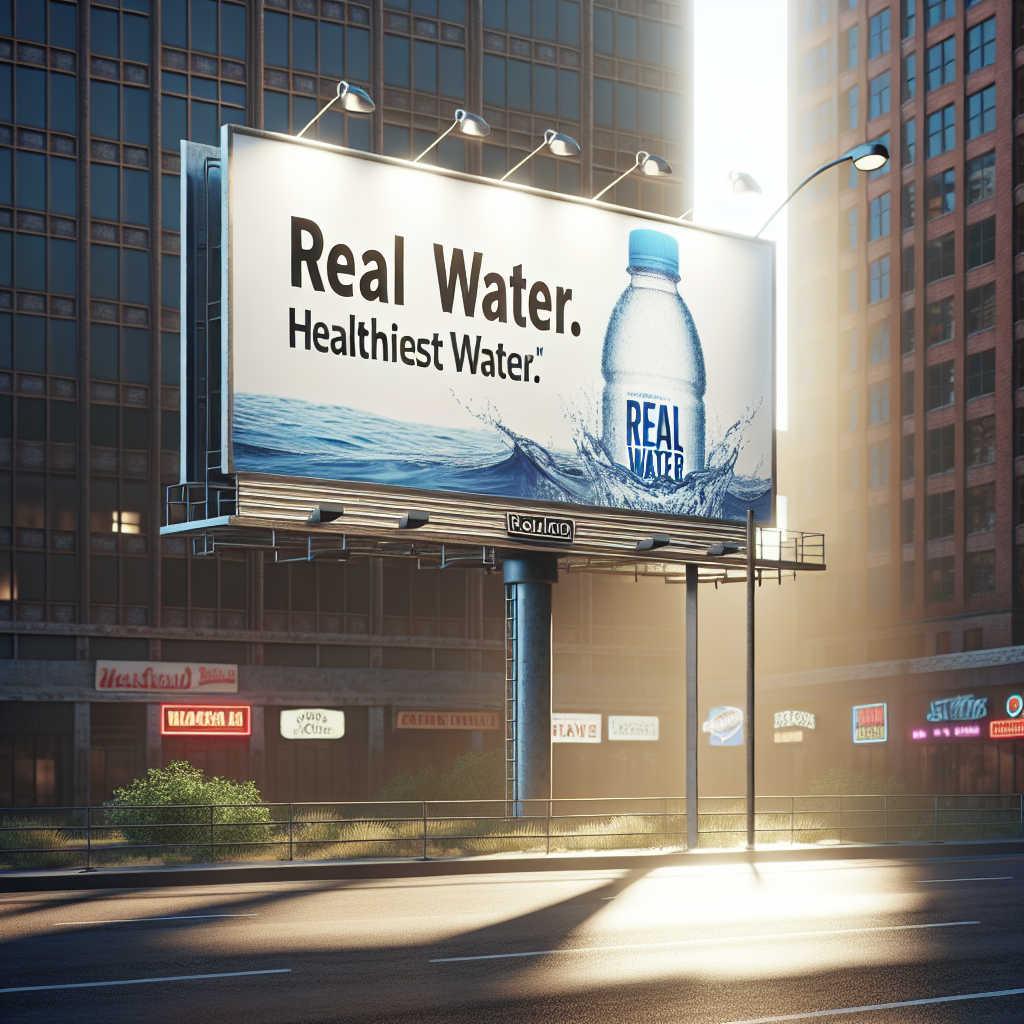
Real Water marketed itself as the healthiest choice, claiming to offer uniquely alkaline properties that promised improved wellness. Alkaline water has been popularized for potential health benefits such as better hydration and detoxification, although scientific evidence remains mixed.
Key Claims by Real Water
– Alkaline Properties: The water was said to have higher pH levels, believed to neutralize acidity in the body.
– Detoxification: Advertised to aid in flushing out toxins.
– Enhanced Hydration: Claimed to provide superior hydration compared to regular water.
– Negative Ion Technology: Promoted as a groundbreaking advancement, though it lacked substantial scientific backing.
Real Water’s appeal largely stemmed from these audacious claims, yet its downfall would soon follow due to a failure to substantiate and uphold these promises.
The Unraveling of a Marketing Strategy
Despite its bold claims, Real Water’s reputation crumbled when reports emerged linking the product to health issues. This marketing fail highlights the disastrous consequences of overstating product benefits without credible evidence.
Health Reports and Legal Troubles
In late 2020, allegations surfaced suggesting that Real Water consumption was associated with liver problems. The Centers for Disease Control and Prevention (CDC) investigated, and it was reported that several cases of non-viral hepatitis might be linked to drinking Real Water.
Health Impact
– Liver Damage: Consumers complained of symptoms such as nausea, fatigue, and jaundice, indicative of liver distress.
– Product Recalls: Prompted by health concerns and a FDA warning, Real Water issued recalls, causing widespread consumer distrust.
– Legal Consequences: Faced with lawsuits from affected consumers, the company found itself mired in legal challenges it struggled to escape.
Analyzing the Marketing Fail with “Real Water Healthiest Water”
The marketing fail with Real Water accentuates the critical need for transparency and evidence in advertising. Several factors contributed to this downfall, providing cautionary lessons for businesses:
Lack of Scientific Backing
Without substantial scientific research supporting their claims, Real Water failed to convince regulators and consumers. The allure of “negative ion technology” lacked credible validation, rendering it ineffective against scrutiny.
Overpromising and Under-delivering
Real Water’s branding as the healthiest water proved to be an exaggeration. The expectation-reality gap widened, fueled by exaggerated health benefits, leading to consumer disillusionment.
Regulatory Challenges
The U.S. Food and Drug Administration (FDA) intervened due to misleading labels and health risks. Navigating the complex regulatory environment requires more than just enthusiasm; it demands adherence to strict guidelines to maintain consumer safety and trust.
Importance of Crisis Management
Real Water’s slow response to the unfolding crisis exacerbated public frustration. Effective crisis management requires timely communication and decisive action, neither of which were adequately executed by Real Water.
Learning from Real Water’s Marketing Fail
Real Water’s stunning marketing misstep serves as a powerful reminder for all brands striving for authenticity and credibility. Companies should emphasize substantiated claims, maintain clear communication, and prioritize consumer safety.
Best Practices for Transparent Marketing
– Invest in Research: Ensure all claims are supported by robust evidence and scientific backing.
– Clear Communication: Maintain openness with consumers, especially when faced with crises or challenges.
– Regulatory Compliance: Keep informed about industry regulations and certifications to ensure products meet all necessary standards.
– Responsive Crisis Handling: Develop a crisis management plan that allows swift, transparent action to address consumer concerns effectively.
Conclusion: An Opportunity for Reflection
The journey of Real Water from touted health tonic to cautionary tale underscores the non-negotiable value of integrity in the marketplace. Companies aiming to capture consumer loyalty must recognize the essential balance between ambition and accountability.
Interested readers are encouraged to share their experiences with Real Water by reaching out through the lasvegasrealwaterals.com/contact page. Discover more insights and stories on our blog, or call 702-385-6000 for immediate expert assistance.