Real Water False Advertising: Shocking Health Claim Scandal
Real water false advertising has shaken consumers who trusted the product for its advertised health benefits. Marketed as an advanced alkaline water promising improved hydration and overall health, Real Water gained popularity quickly. However, recent revelations about misleading claims have sparked outrage and legal actions, leading to a deeper examination of how companies like Real Water can deceive unsuspecting consumers.
The Rise and Fall of Real Water
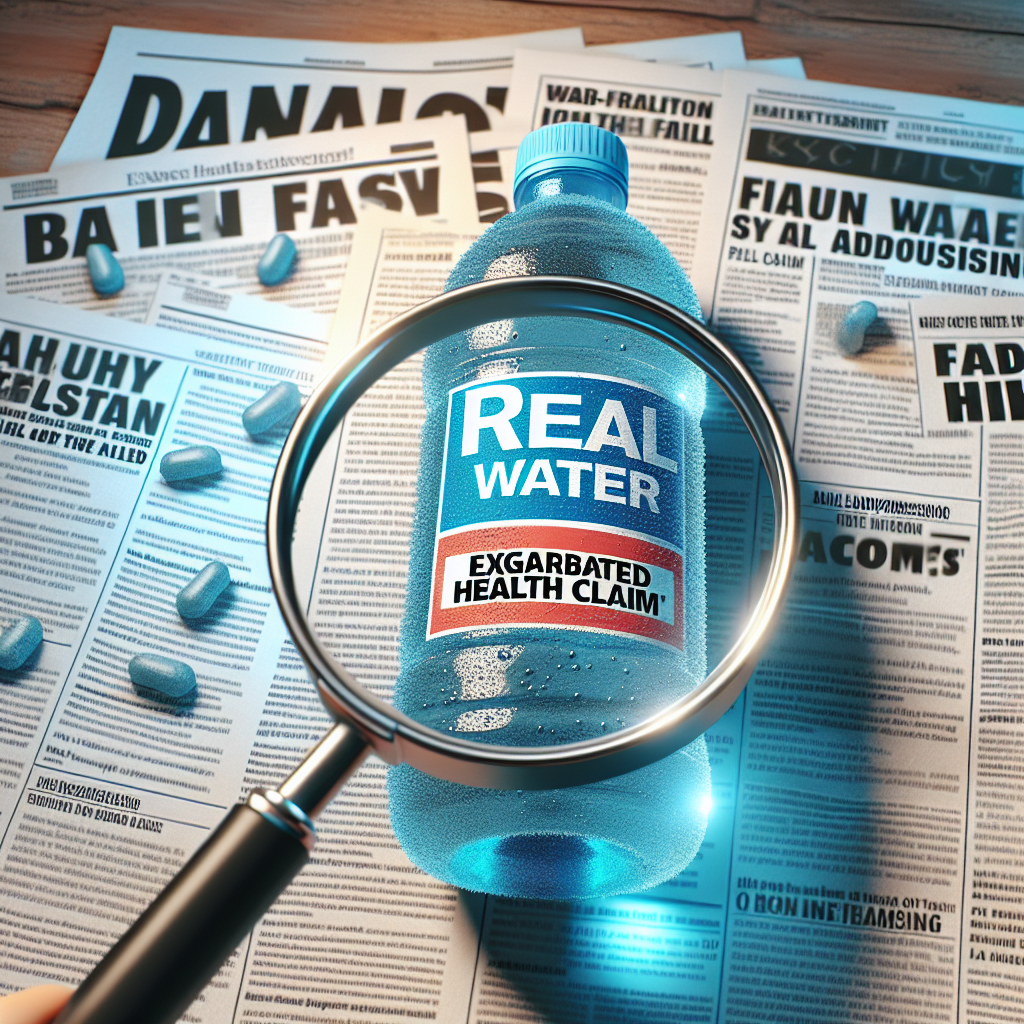
Real Water entered the market with bold promises. Consumers were captivated by claims of “improved hydration,” “detoxification,” and a “positive impact on health.” The allure of a simple beverage offering such benefits led many to include it as a staple in their daily routines. However, these promises ultimately proved to be unfounded, resulting in a scandal that left many feeling betrayed.
Questionable Health Claims
The centerpiece of the controversy revolves around the health claims associated with Real Water. The product was marketed as offering various benefits due to its supposed “alkalized” nature. Despite these assertions, multiple reports emerged linking its consumption to severe health issues, including liver damage.
Health Claims Under Scrutiny:
– Improved Hydration: Despite assertions, there is no scientific backing that alkaline water significantly enhances hydration compared to regular water.
– Detoxification: Claims of body detoxification have been widely criticized as misleading, with experts indicating no substantial evidence supporting such effects from alkaline water consumption.
– Liver Damage Reports: The scandal escalated when several cases of acute liver failure were reported among Real Water consumers, drawing attention from regulatory bodies like the FDA.
Legal and Regulatory Responses
The deceptive marketing practices of Real Water have not gone unnoticed by regulatory authorities. The FDA stepped in to issue warnings and recall notices, emphasizing the potential risks associated with the product. This move was crucial in protecting consumers from further harm.
Key Actions Taken:
– Product Recalls: Following multiple consumer complaints and reports of adverse health effects, the FDA issued recalls to prevent further risks.
– Legal Investigations: Lawsuits against Real Water highlighted the discrepancies between the company’s marketing claims and the real risks posed by their product. Consumers affected by these false claims joined forces to seek justice.
Consumer Impact and Outrage
The revelations about false advertising have left countless consumers questioning the integrity of not just Real Water, but other similar health-focused products. The betrayal felt by those who believed in the promises made by the brand was profound, leading to increased caution and skepticism toward health claims made by beverage companies.
Protecting Yourself from False Advertising
Consumers can take proactive steps to shield themselves from misleading marketing tactics and ensure that their choices are based on facts, not fiction.
Tips for Savvy Consumers:
– Research: Always look for scientific backing behind health claims. Reliable information from credible sources can help verify the legitimacy of a product’s benefits.
– Regulatory Oversight: Pay attention to alerts and warnings issued by bodies like the FDA, which provide insights into the safety and reliability of products.
– Peer Reviews: Consumers should actively seek out reviews and testimonials from fellow users, which can offer real insights into product efficacy and experiences.
The Role of Companies in Ensuring Honest Marketing
Beverage companies need to recognize their responsibility in providing truthful information. Trust, once broken, is not easily regained. Transparent marketing, backed by science, is essential in cultivating consumer confidence and fostering brand loyalty.
Ethical Marketing Practices:
– Transparency: Clear, accurate labeling and honest communication are paramount in maintaining consumer trust.
– Scientific Validation: Companies should invest in research to substantiate health claims, ensuring they do not mislead their customers with unproven benefits.
Moving Forward: Lessons Learned
The Real Water scandal serves as a crucial lesson for both consumers and companies. For consumers, understanding that not all marketed health benefits are based on solid scientific evidence is vital. For companies, the emphasis must be on ethical marketing and the provision of substantiated claims to ensure consumer trust and safety.
Conclusion and Call to Action
Real Water’s false advertising and the resultant scandal have highlighted the importance of vigilance when it comes to health claims. As a consumer, staying informed is your most valuable asset. We encourage you to explore more on these topics and protect yourself from misleading claims.
If you have been affected by these issues, you are encouraged to reach out about your ALS and Real Water case through our contact page. For more insights, explore our blog page or call 702-385-6000 for immediate assistance.