Real Water Bottling Process: Shocking Toxic Truth Revealed
The real water bottling process has come under intense scrutiny following revelations about its practices. Consumers once drawn to the allure of a purportedly healthier water product have been shaken by findings exposing the hidden dangers associated with its production. This article uncovers the unsettling truths about how Real Water sources and bottles its product and highlights the health impacts on consumers.
The Real Water Bottling Process: A Closer Look
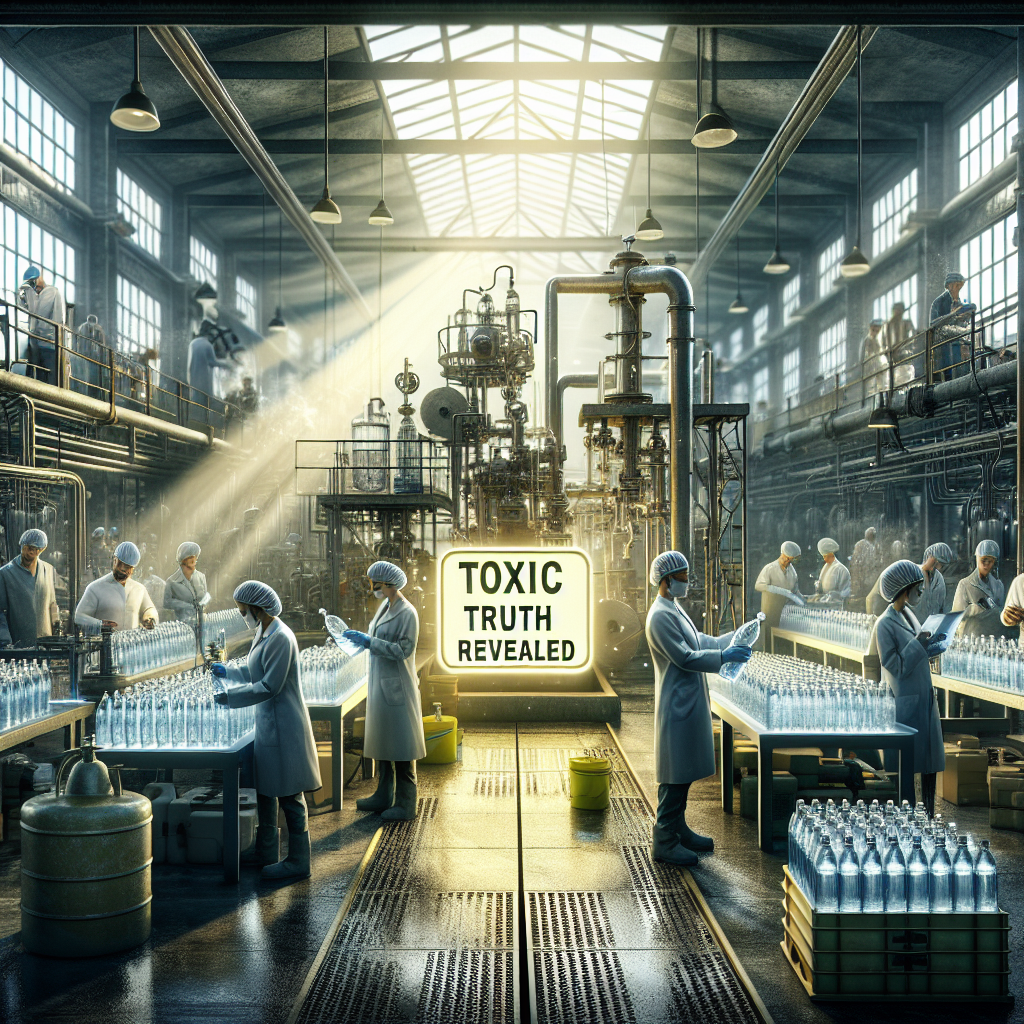
Unveiling the truth behind the real water bottling process begins with understanding the origins of the water itself. Many might assume that the company taps into pristine natural springs or high-quality sources. Shockingly, this is not the case. Real Water sources its product from municipal sources, namely publicly treated tap water.
From Municipal Source to Bottling Plant
The journey of Real Water starts in municipal sources where tap water is collected. This water undergoes a process intended to infuse it with alkalinity and enhance its purported health benefits. The company implements a proprietary filtration system involving reverse osmosis and mineral additives. However, independent investigations have raised concerns about the effectiveness and safety of these processes.
1. Reverse Osmosis Filtration: While reverse osmosis is commonly used to remove contaminants from water, the actual results depend greatly on how well the system is maintained.
2. Alkaline Infusion: The infusion of minerals and the alteration of pH levels aim to make the water more alkaline. Many health experts remain skeptical about the purported benefits of alkaline water, considering the body’s natural ability to maintain balance.
3. Additives and Contamination: There have been instances where additives or improper procedures may have caused contamination, posing serious health risks.
Health Implications: Understanding the Risks
The real water bottling process has inadvertently led to severe health repercussions for some consumers. In 2021, reports emerged linking Real Water consumption to liver damage, possibly due to contamination during production. Several cases of non-viral hepatitis prompted investigations, with the FDA issuing warnings about the water.
– Liver Damage: Consumers reported symptoms like fatigue, vomiting, and jaundice, leading to hospitalizations.
– FDA Involvement: The Food and Drug Administration conducted tests and advised against consuming Real Water as investigations continued.
Regulatory Concerns and Consumer Trust
As the truth behind the real water bottling process unfolds, questions arise about regulatory oversight. Consumers place trust in brands to adhere to health and safety standards, making these revelations particularly troubling.
– Lack of Transparency: The company’s hesitation to fully disclose how its water is processed leads to distrust.
– Oversight and Accountability: Calls for stricter regulations and accountability for bottled water companies have intensified.
Consumer Safety: What You Need to Know
Ensuring safe consumption: The key takeaway is that consumers should remain informed and cautious about the products they consume. Here are some steps to enhance consumer safeguards:
1. Research Brands: Understand the origin and processes of bottled water before purchase.
2. Watch for Recalls: Stay updated on FDA alerts and recalls. The FDA website offers real-time updates on product safety concerns.
3. Consider Alternatives: Opt for alternative sources such as home filtration systems which allow greater control over water quality.
4. Consult Health Professionals: If experiencing adverse symptoms linked to water consumption, seek medical advice promptly.
Moving Forward: Impact and Change
The real water bottling process exposé serves as a wakeup call for both consumers and companies. It emphasizes the need for stringent quality controls and transparency in the bottled water industry. Proactive changes may include:
– Stricter Regulations: Enhanced oversight could prevent future incidents, ensuring bottled water meets high safety standards.
– Consumer Advocacy: As consumers raise their voices and demand better practices, companies may be driven to adopt more responsible production methods.
– Innovation: Embracing advances in purification technologies could enhance product safety, potentially restoring consumer confidence.
Conclusion
The real water bottling process controversy has illuminated critical issues within the bottled water industry. This case underscores the importance of transparency, rigorous testing, and consumer vigilance. As this situation unfolds, it’s crucial for consumers to stay informed and make choices that prioritize their wellness.
We invite affected individuals to reach out about their ALS and Real Water case through the lasvegasrealwaterals.com website’s /contact page. For more informative content on related topics, explore the lasvegasrealwaterals.com website’s /blog page. If urgent assistance is required, please call 702-385-6000.
References
– FDA Warns Consumers, Companies about Dangerous Alkaline Water Products
– Understanding Alkaline Water and its Benefits
– Reverse Osmosis Filtration: Pros and Cons