Alkaline Water Toxins: Scandals and the Shocking Truth Revealed
Alkaline water toxins have become a hot topic, sparking numerous scandals and raising questions about the safety and health benefits of this popular beverage. Once touted as a miraculous addition to a healthy lifestyle, recent events have unveiled some unsettling secrets that consumers need to know. In this detailed analysis, we’ll explore the history, alleged benefits, associated risks, and recent controversies surrounding alkaline water.
What Is Alkaline Water?
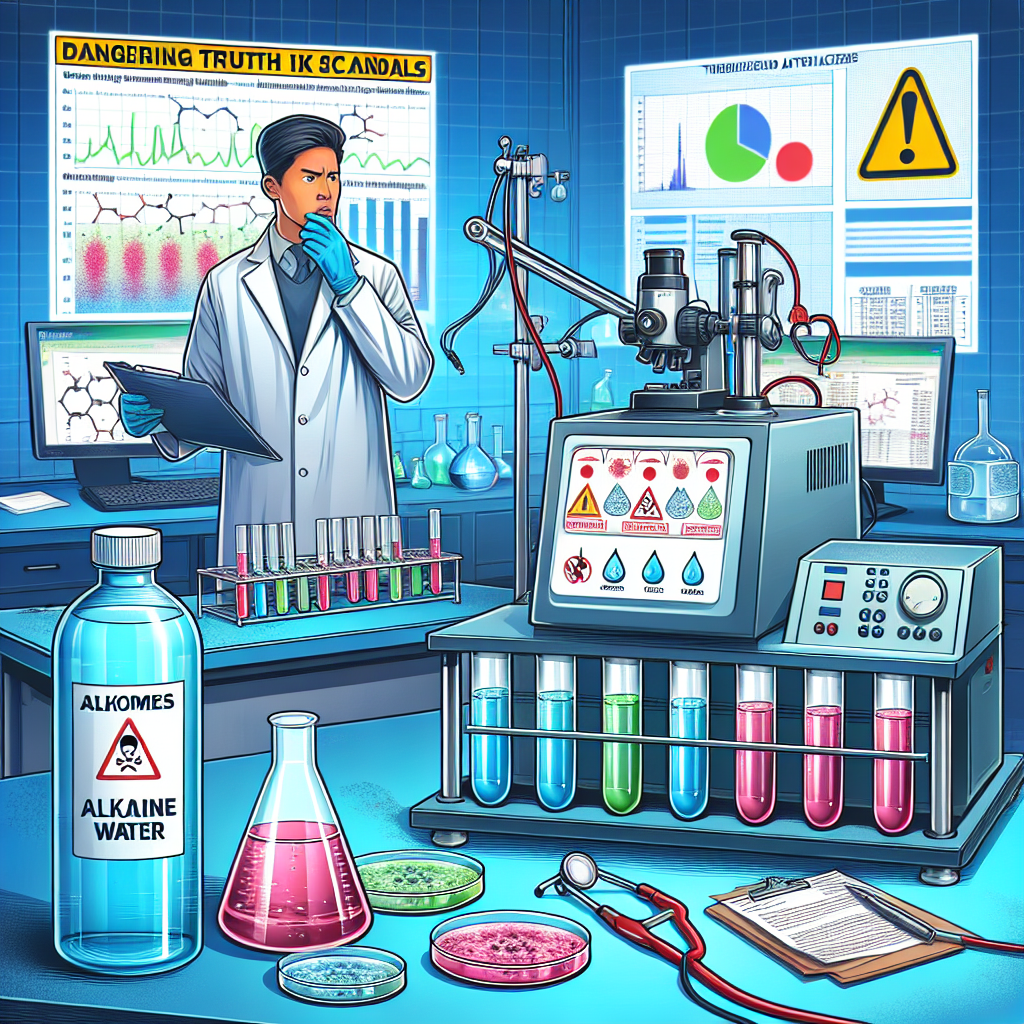
Alkaline water is water that has been ionized to increase its pH level, making it less acidic. While regular tap water typically has a neutral pH of around 7, alkaline water has a pH of 8 or 9. This increased alkalinity is believed by some to neutralize acid in the bloodstream, provide better hydration, and offer a host of other health benefits.
The Promised Benefits
Proponents of alkaline water argue that it can lead to various health improvements. Some claimed benefits include:
– Improved Hydration: Due to its smaller molecule size, more efficiently absorbed by the body.
– Better Bone Health: By reducing acid levels that may lead to bone loss.
– Anti-Aging Properties: Antioxidants that protect cells from damage.
– Aid in Weight Loss: By boosting metabolism and reducing acidity.
– Cancer Resistance: Although not scientifically proven, some believe it can discourage cancer cells.
Despite these claims, the medical community remains skeptical, with limited scientific evidence to support these potential benefits. Yet, it hasn’t stopped the growing popularity of alkaline water, leading to its presence in health food stores, gyms, and supermarkets worldwide.
Alkaline Water Toxins: Scandals Disrupt the Market
The rise of alkaline water wasn’t without its pitfalls. Recent scandals uncovered the presence of alkaline water toxins, raising serious health concerns. These scandals have exposed the dark side of a seemingly healthy product and prompted investigations into its safety.
The Real Water Scandal
One of the most notorious cases involved Real Water, a brand of alkaline water linked to several instances of acute liver failure. In 2021, the FDA issued a warning against this brand, urging consumers to avoid it due to reports of illness. The company faced multiple lawsuits and scrutiny as individuals and families claimed the beverage caused serious health problems.
Toxins Discovered
Contaminants identified in certain batches of alkaline water have raised alarms. Problems such as mismanaged water sourcing, inadequate purification, and insufficient quality control processes contributed to these issues. Toxic elements like lead, arsenic, and harmful bacteria were found in some samples, leading to adverse health outcomes.
The Impact on Consumer Trust
These scandals have undoubtedly affected consumer confidence in alkaline water. It’s a wake-up call for an industry that grew rapidly without stringent regulations to ensure safety. People once eager to embrace alkaline water for its health benefits are now questioning its safety and effectiveness.
Reactions from Health Authorities
Government agencies and health authorities have taken steps to regulate the industry more stringently. These efforts aim to ensure that products on the market are safe for consumption and accurately labeled.
Industry’s Response
In response to the alkaline water toxins scandals, some companies have tightened their quality control measures and committed to transparency about their sourcing and production processes. Yet, it’s a long road to rebuild trust.
The Path Forward: What You Should Look For
If you’re considering or currently consuming alkaline water, there are measures you can take to ensure you’re making informed choices.
Verify the Source
Knowing where the water comes from is crucial. Look for brands that clearly state their source and the processes they use to ensure purity. Trustworthy companies are transparent about their sources and provide detailed information about their production methods.
Check for Third-Party Testing
Independent testing by third-party labs is a good indicator of the product’s quality and safety. Reliable brands often display certifications on their labels or websites, confirming they meet rigorous standards.
Understand the Risks
Being informed about the potential risks, including those related to alkaline water toxins, helps in making better decisions. Consulting with a healthcare provider can also offer personalized guidance, particularly if you have underlying health conditions.
Rediscovering Hydration: Alternatives to Alkaline Water
With the scandals shaking consumer faith, exploring alternatives may be wise. Here are some options:
Regular Filtered Water
High-quality filters can effectively remove potential contaminants from tap water, providing clean and safe hydration without investing in specialty drinks.
Coconut Water
Known for its natural electrolytes, coconut water is a tasty alternative to alkaline water. It’s refreshing, hydrating, and a good choice for post-workout rehydration.
Infused Water
For those seeking something beyond plain water, infusing it with fruits or herbs like lemon, mint, or cucumber adds flavor and some nutritional benefits.
Herbal Teas
Hydrating and rich in antioxidants, herbal teas offer both health benefits and a comforting alternative to plain water.
Navigating a Confusing Landscape
The allure of alkaline water and its promised benefits made it a sought-after product. However, the exposure of alkaline water toxins scandals serves as a reminder of the importance of staying informed and vigilant as a consumer. The need for rigorous testing, transparent labeling, and responsible marketing is clearer than ever.
Consumers must balance the potential benefits with the known risks when choosing their hydration sources. By understanding the complexities and making informed decisions, you can navigate the confusing landscape of health fads and find what truly works for you.
For readers concerned about ALS and Real Water issues, please reach out by visiting the contact page at “/contact”, explore more articles on the blog at “/blog”, or call us at 702-385-6000 for further information and assistance.