Alkaline Water Myths: Shocking Truth About Real Water Risks
Alkaline water myths have gained traction in recent years, with proponents claiming numerous health benefits that make it stand out from regular tap water. From balancing your body’s pH levels to enhancing hydration and detoxification, the promises are alluring. However, beneath the surface, these claims often mask potential risks, particularly noted in some alarming cases involving a product known as “Real Water.” This article delves into the myths, separating fact from fiction, and uncovers the shocking truth about Real Water risks.
Understanding Alkaline Water
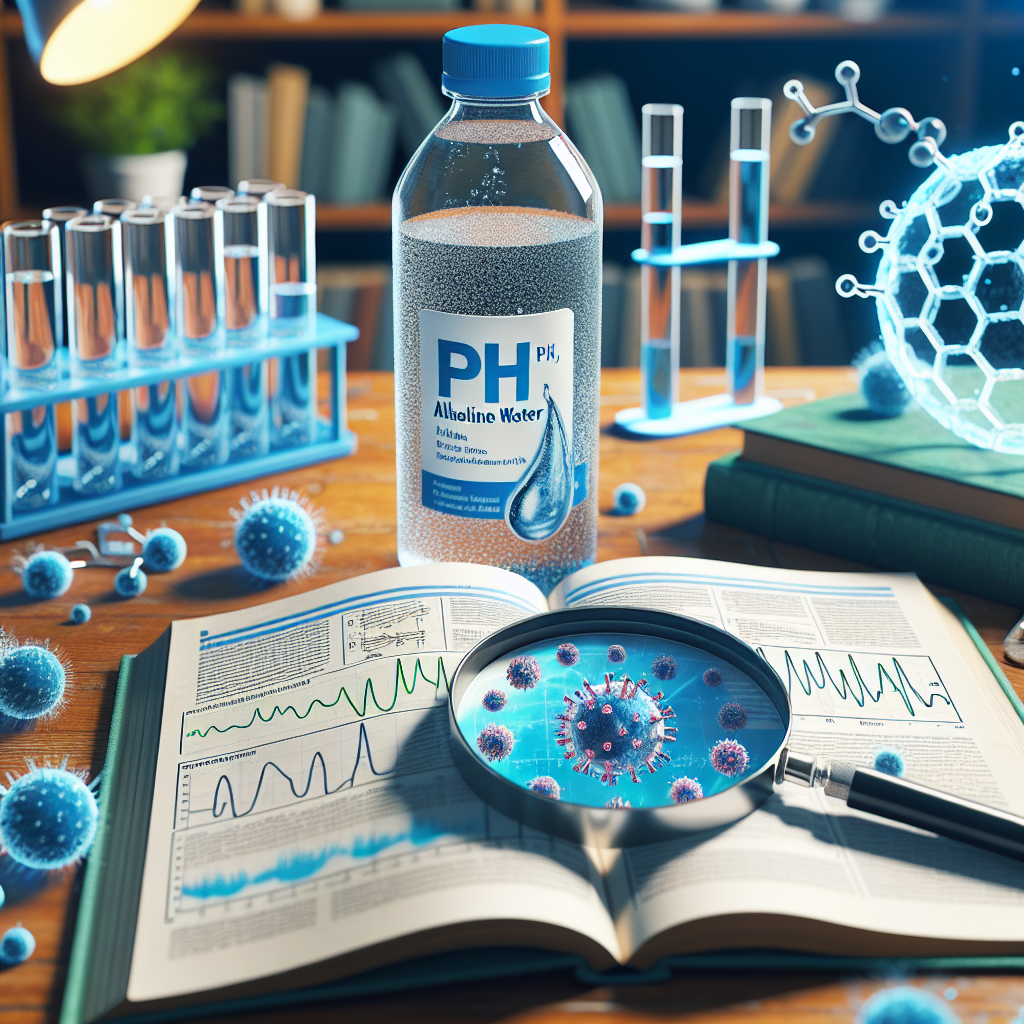
Before debunking the myths, it’s essential to understand what alkaline water is. Alkaline water typically has a higher pH level than regular drinking water. While common water sources, such as tap water, have a neutral pH of around 7, alkaline water generally has a pH of 8 or 9. This alteration is often achieved through the addition of alkaline compounds such as calcium, magnesium, and potassium.
Advocates argue that alkaline water can neutralize acid in your bloodstream, improve metabolism, and even assist in weight loss. But how much of this stands up to scrutiny?
Alkaline Water Myths: Health Claims vs. Evidence
Myth 1: Balances Your Body’s pH
A popular marketing claim is that alkaline water can balance your body’s pH levels. In reality, the human body is proficient at maintaining its pH balance, regardless of dietary influences. Organs such as the kidneys and lungs play crucial roles in preserving this balance. Drinking alkaline water is unlikely to dramatically alter your body’s pH, nor is it necessary for optimal health.
Myth 2: Enhances Hydration
Another widespread claim is that alkaline water provides better hydration compared to standard water. Supporters argue that it contains smaller molecule clusters that penetrate cells more effectively. However, scientific evidence supporting superior hydration is sparse. Hydration depends on factors such as fluid volume rather than the structure of water molecules.
Myth 3: Detoxifies Your Body
Detoxification is another area where alkaline water myths flourish. The body has its own natural detoxification system, primarily managed by the liver and kidneys. Drinking alkaline water won’t enhance these processes beyond what your body already accomplishes naturally.
Myth 4: Fights Aging
There’s a belief that alkaline water can act as an anti-aging agent, but this is primarily anecdotal. Aging is a complex process influenced by genetics, lifestyle, and environmental factors. Water alone, alkaline or not, cannot meaningfully reverse or slow down aging.
Real Water Risks: A Case Study
The case of Real Water serves as a cautionary tale for consumers attracted to the allure of alkaline water. Marketed with claims of superior purification and health benefits, Real Water became a trusted brand among many. However, it was linked to severe health issues, causing widespread concern.
In 2020, the U.S. Food and Drug Administration (FDA) issued warnings against consuming Real Water after reports indicated potential links to cases of acute non-viral hepatitis. This rare and severe liver illness prompted investigations, revealing that the water’s alkalinity might have been a contributing factor.
Investigations and Findings
Upon thorough examination, officials determined that contamination during the production process could have facilitated the outbreak of illnesses. This shocking revelation underscores a crucial point: water modifications can lead to unforeseen health risks, particularly when safety protocols lack strict enforcement.
Consumer Precautions
The Real Water episode highlights the importance of vigilance and informed decision-making for consumers. While the FDA took action to remove the product from shelves, the incident serves as a reminder that branded health promises don’t always hold water under scrutiny (pun intended).
Separating Myth from Reality
Awareness and knowledge are vital in differentiating between genuine health strategies and marketing ploys. When faced with alkaline water products, consider these practical tips:
1. Research and Verification: Look for scientific backing. Reliable health benefits typically come with peer-reviewed research support.
2. Listen to Health Experts: Trusted sources such as dietitians and healthcare providers can offer guidance tailored to your individual health needs.
3. Monitor for Safety Recalls: Stay informed about product recalls through official channels, especially for dietary-related products.
Conclusion: Informed Choices for Better Health
While exploring health trends, it’s essential to question their scientific validity. Alkaline water myths offer compelling stories but often lack the backing of rigorous evidence. The Real Water case underscores the critical importance of making informed wellness choices and being wary of too-good-to-be-true promises.
If you have concerns or require more insight regarding your ALS and the Real Water case, please visit the contact page at “/contact” for personalized assistance. For further reading, explore our wealth of articles on the blog page at “/blog.” Should you need immediate assistance, don’t hesitate to call us directly at “702-385-6000.”