Real Water Post Recall Sales: A Persisting Concern
Real Water post recall sales have raised significant concerns despite efforts to ensure consumer safety after health warnings linked to its consumption. Understanding why sales continue and what enforcement issues contribute is crucial for consumer protection and regulatory improvement.
The Background of Real Water’s Recall
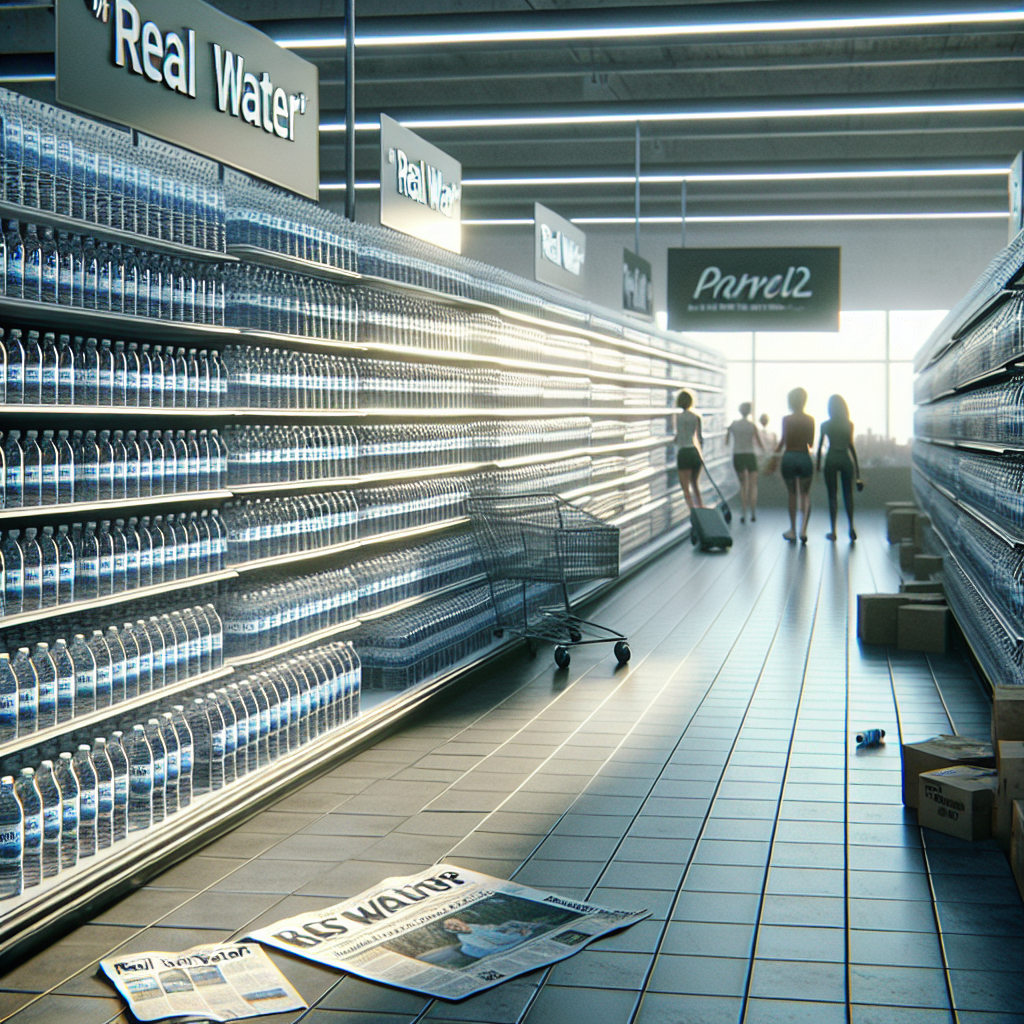
Real Water, an alkaline water brand, embarked on a mission to offer a healthier beverage alternative. With promises of premium quality and life-enhancing properties, it quickly gained popularity. However, in 2021, the brand faced a major crisis when several liver illness cases were associated with its consumption, leading to its recall. The Food and Drug Administration (FDA) issued warnings, advising people not to drink or use the product.
Enforcement Issues in Real Water’s Compliance
Despite the recall, enforcement issues played a significant role in the continued sales of Real Water. Here are several factors contributing to these issues:
Lack of Strict Regulatory Oversight
– Insufficient Monitoring: Agencies face challenges in adequately monitoring every distributor and retailer. This lack of rigorous oversight allows recalled products to slither through the cracks and end up on store shelves.
– Limited Resources: Regulatory bodies often lack the necessary resources to enforce recalls effectively. Many agencies are understaffed, burdened with numerous responsibilities, resulting in inefficient supervision of recall compliance.
Inadequate Communication Channels
– Poor Communication: Communication breakdowns between regulatory bodies, distributors, and retailers complicate enforcement. Many retailers may remain unaware of recall details or accidentally order the product again.
– Consumer Awareness: Not all consumers stay updated with recall notifications or announcements, leading to unintentional purchases.
Grey Market Dealing
– Unauthorized Sales: Some retailers engage in grey market dealings, where products are bought and sold outside official distribution channels. This scenario often leads to post-recall sales, as unscrupulous vendors prioritize profits over safety.
Why Real Water Post Recall Sales Persist
Several factors continue to fuel the post-recall sales of Real Water, serving as significant hurdles to complete withdrawal from the market.
Consumer Ignorance and Demand
– Brand Loyalty: Loyal consumers may ignore warnings due to disbelief or attachment to perceived benefits, buying the product willingly.
– New Buyers Unaware: New customers might be entirely unaware of past recall notices, leading to accidental purchases.
Faulty Supply Chain
– Distribution Flaws: Weak links in the supply chain enable recalled products to travel unnoticed. Breakdowns in distribution protocols contribute to continued circulation.
– Retailer Oversight: Many retailers or distributors might incorrectly stock recalled items due to clerical errors or lack of training.
The Role of Governmental Agencies
Government bodies are instrumental in regulating product recalls and ensuring public safety. Here’s how they are addressing Real Water sales post-recall:
Strengthening Recall Protocols
– Enhanced Surveillance: Agencies are allocating resources to bolster surveillance of markets. Through improved tracking systems, regulatory bodies aim to stem illegal sales.
– Educating Stakeholders: Continuous engagement with retailers and distributors helps enhance awareness about recalls, minimizing risks of stocking banned products.
Legal and Financial Repercussions
– Imposing Penalties: Fines and legal actions against entities flouting recall instructions act as deterrents, ensuring better compliance.
– Incentivizing Compliance: Offering rewards or benefits to stores that promptly comply with recall updates may improve adherence significantly.
Moving Forward: What Can Be Done?
Addressing Real Water post recall sales necessitates combined efforts from multiple stakeholders. Here are some strategies to consider:
Consumer Education Campaigns
– Public Awareness Drives: Launching campaigns through social media, TV, and radio will keep consumers informed and cautious.
– Creating Accessible Platforms: Userfriendly online platforms offering information on current recalls can empower consumers, ensuring informed purchasing decisions.
Improved Technological Solutions
– Blockchain for Tracking: Using technology like blockchain can enhance transparency and traceability in supply chains, preventing unauthorized sales.
– Real-Time Notifications: Retailers receiving instant notifications about recall updates via digital systems can improve compliance significantly.
Conclusion
Addressing the persistence of Real Water sales requires a comprehensive approach, combining vigilant enforcement with innovative solutions. Consumers, retailers, and regulatory bodies must work in unison to tackle the challenges posed by enforcement issues.
If you or someone you know has been impacted by Real Water, reach out for assistance through this contact page. You can also explore more insights and updates by visiting the blog. For immediate support, call 702-385-6000.