Understanding Cyanobacteria and Its Connection to ALS Risk
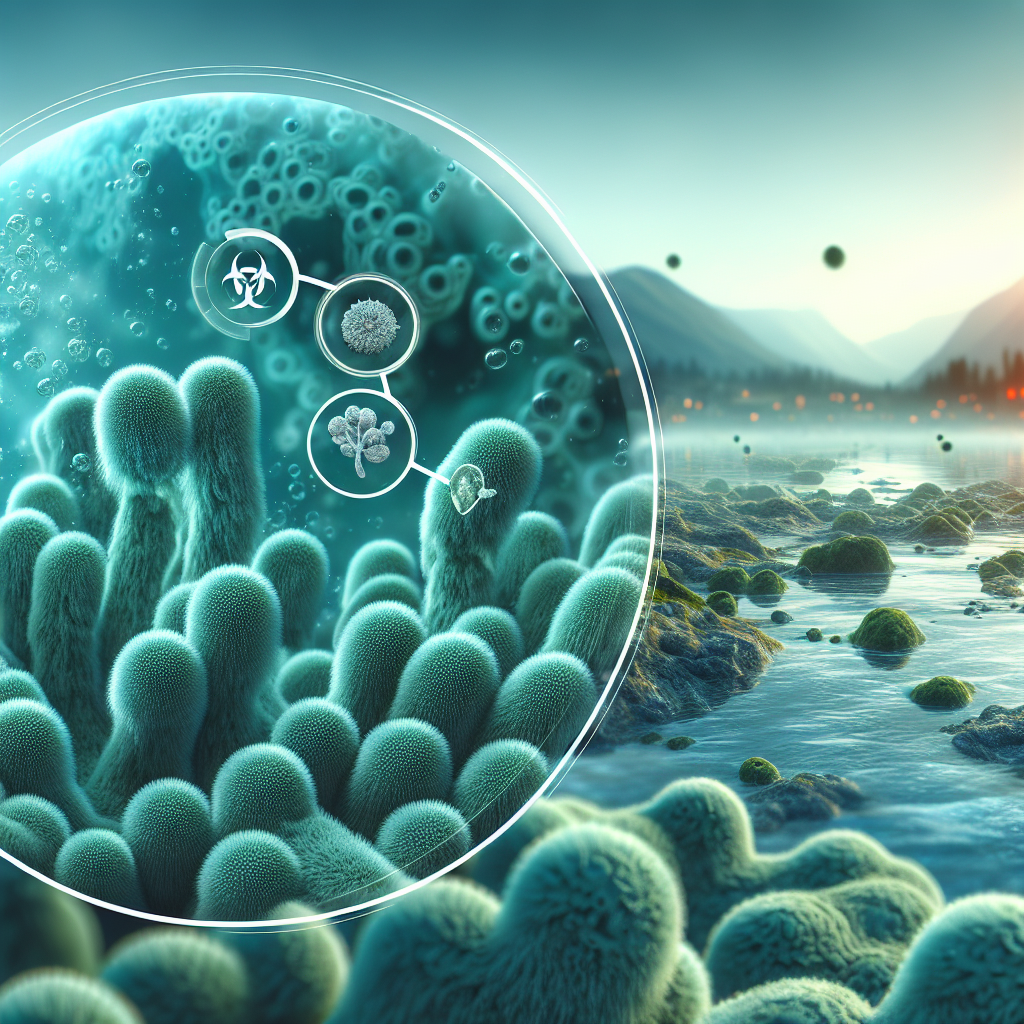
Cyanobacteria are microscopic organisms often found in aquatic environments. Known for their ability to photosynthesize, they play a crucial role in Earth’s ecosystems. However, the growing interest in their connection to human health, particularly their potential link to amyotrophic lateral sclerosis (ALS), is gaining attention. Understanding how these microorganisms can impact ALS risk is essential for proactive health measures.
What Are Cyanobacteria?
Cyanobacteria, also known as blue-green algae, are considered one of the earliest forms of life on Earth. They are significant due to their ability to perform photosynthesis, a process using sunlight to produce energy, releasing oxygen into the atmosphere. However, environmental changes can prompt cyanobacteria to form blooms, which are dense overgrowths that can produce toxins harmful to humans and wildlife.
How Cyanobacteria Relate to ALS
Research has indicated a potential link between cyanobacteria-produced toxins and the development of ALS, a neurodegenerative disease affecting nerve cells in the brain and spinal cord. ALS leads to progressive muscle weakness and can be fatal. Studies suggest that exposure to certain cyanotoxins, like beta-methylamino-L-alanine (BMAA), may increase ALS risk. BMAA is a neurotoxin that can become embedded in the food chain, making its way into human diets.
Recognizing and Reducing Exposure Sources
Cyanobacteria thrive in nutrient-rich waters, with blooms often occurring in lakes, ponds, reservoirs, and even some marine environments. Heeding water quality advisories is crucial, especially during warmer months when blooms are more prevalent. Recognizing the potential sources and methods to limit exposure can be an effective way to reduce ALS risk.
Tips to Minimize Exposure to Cyanobacteria:
1. Stay Informed About Local Water Conditions: Regularly check local water quality reports, especially if you live near water bodies prone to blooms. Local health departments often provide updates on harmful algal blooms (HABs).
2. Avoid Contact with Suspected Blooms: If you notice discolored water or scum on the surface, avoid swimming, fishing, or engaging in water-based activities. Cyanobacteria can produce various toxins, so it’s crucial to limit direct contact.
3. Filter Drinking Water Properly: Invest in home water filters that can remove cyanotoxins. Reverse osmosis filters are typically effective for this purpose. Ensure that your municipality is treating the water supply adequately to remove potential toxins.
4. Be Mindful of Fish Consumption: Fish from contaminated waters may contain high levels of BMAA, especially in organs like the liver. Sourcing fish from clean, well-monitored environments can reduce exposure risk.
5. Educate and Advocate in Your Community: Increase awareness by discussing potential hazards with your community and advocating for policies targeting water quality and HAB prevention.
The Role of Nutrition and Lifestyle
Beyond direct exposure to cyanobacteria, maintaining a healthy lifestyle can act as a buffer against ALS. Balanced nutrition, regular physical activity, and reducing oxidative stress are vital steps in risk management.
Nutritional Strategies to Lower ALS Risk:
– Omega-3 Fatty Acids: These beneficial fats are known to support neurological health. Incorporating foods like fish, flax seeds, and walnuts can nurture brain and muscle function.
– Antioxidant-Rich Foods: Consuming a diet rich in fruits and vegetables can combat oxidative stress, which is believed to contribute to neurodegenerative diseases. Foods high in vitamins C and E, like berries and almonds, are excellent choices.
– Adequate Hydration: Drinking purified water is essential, particularly in areas with potential for water contamination. Proper hydration aids in detoxifying the body and supporting overall health.
Scientific Research and Upcoming Developments
The scientific community continues to explore the complex relationship between cyanobacteria and ALS. Ongoing research aims to clarify how cyanotoxins interact with genetic and environmental factors to influence ALS risk. Developments in understanding these mechanisms could lead to more effective prevention and treatment strategies.
Community and Policy Involvement
Local governments and environmental agencies play a critical role in managing water safety. Supporting policies that invest in water treatment facilities and HAB monitoring can amplify the impact of individual efforts. Community involvement underscores the importance of collective action in mitigating environmental hazards.
Final Thoughts and Further Actions
Heightening awareness about cyanobacteria and their impact on ALS risk is a critical step in safeguarding health. By educating yourself and taking practical steps to reduce exposure, you contribute to the broader effort of disease prevention and environmental stewardship.
If you have concerns about ALS and real water issues, it’s important to seek more information. Please visit our contact page at “/contact” to get in touch, explore more in-depth articles on our blog at “/blog”, or give us a call at “702-385-6000” for personalized support and guidance.