ALS Veterans: Understanding Risk Factors and Ensuring Safety
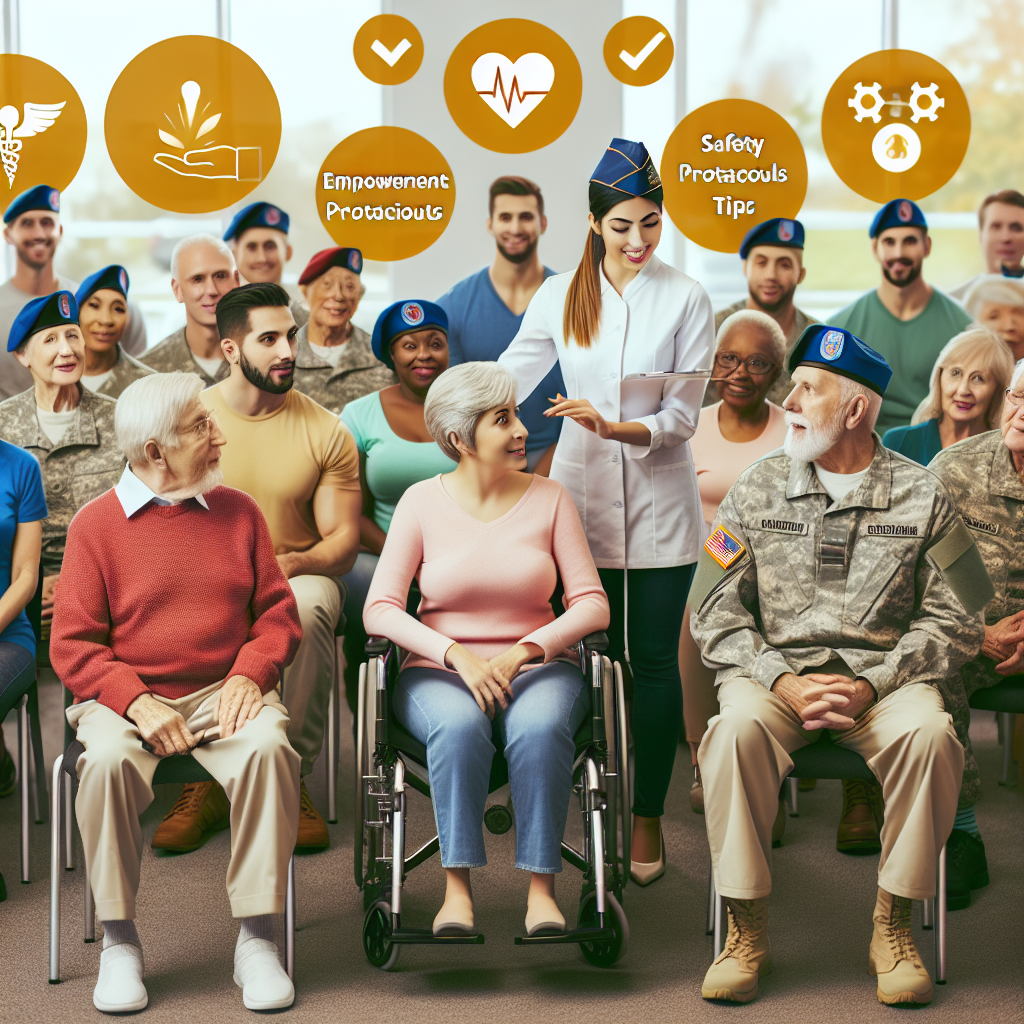
ALS veterans are part of a unique group that has significantly contributed to the nation, only to face a challenging reality upon returning to civilian life. Amyotrophic lateral sclerosis (ALS), also known as Lou Gehrig’s disease, is a progressive neurodegenerative disease that affects nerve cells in the brain and the spinal cord. While the reasons why veterans are at a heightened risk remain unclear, what is known is that this community requires specialized attention to mitigate the associated risks and enhance safety.
The Connection Between Veterans and ALS
Statistics show that military veterans are nearly twice as likely to develop ALS than the general population. Factors such as exposure to certain environmental toxins, physical trauma, and extreme physical exertion during military service are considered potential contributors to this increased risk. The U.S. Department of Veterans Affairs recognizes ALS as a service-connected disease, which underscores the importance of understanding its implications for veterans.
Understanding Risk Factors for ALS Veterans
Environmental Exposure:
Many believe that veterans’ heightened exposure to harmful chemicals, such as insecticides and the infamous Agent Orange during certain conflicts, plays a role in the development of ALS. Mitigating exposure when possible, and being aware of symptoms, makes a significant difference in early detection and management.
Physical and Emotional Stress:
Military service comes with intense physical demands and emotional challenges, which some researchers link to ALS. Veterans should pay close attention to their physical health and seek regular medical check-ups, particularly if they notice muscle weakness or other concerning neurological symptoms.
Lifestyle Factors:
While not exclusive to veterans, lifestyle factors such as smoking, poor diet, and lack of physical activity might exacerbate the risk of developing ALS. Adopting a balanced lifestyle with healthy habits can help manage these risks.
Safety Tips for ALS Veterans
Regular Health Screenings:
Consistent check-ups with healthcare providers knowledgeable about ALS can lead to timely interventions. If you are a veteran showing symptoms like muscle weakness or difficulty speaking, it’s crucial to seek medical advice promptly.
Maintain an Active Lifestyle:
Regular exercise tailored to your ability levels not only strengthens the body but can also boost mental health. Low-impact activities such as swimming or walking can be particularly beneficial.
Balanced Nutrition:
Diet plays a crucial role in maintaining overall health. Embrace meals rich in antioxidants, omega-3 fatty acids, and fiber. Avoid overly processed foods and strive for balanced nutrition that supports muscle and nerve function.
Mental Health Support:
The mental toll of both service and illness should not be overlooked. Engage with support groups and mental health professionals to manage stress, anxiety, and depression. This emotional support can significantly influence your quality of life and disease management.
Creating a Safe Living Environment
Home Modifications:
As ALS progresses, mobility can become an issue. Investing in home modifications, such as wheelchair ramps, stairlifts, and bathroom safety equipment, can prevent accidents and create a more accessible living space.
Assistive Technologies:
Modern technology offers numerous tools that aid in communication and daily activities. Devices like speech-generating apps and adaptive keyboards can empower individuals with ALS to maintain independence and quality of life.
Emergency Preparedness:
Having a plan in place for emergencies is essential. Ensure that family members and caregivers are aware of medical needs, emergency contacts, and any necessary equipment.
Community and Support Resources
Veterans Affairs Resources:
The VA provides numerous resources for veterans with ALS, including healthcare benefits, disability compensation, and support groups. Connect with your local VA to explore available support and services.
Non-Profit Organizations:
Organizations such as The ALS Association and Paralyzed Veterans of America offer invaluable resources, advocacy, and support tailored specifically for veterans dealing with ALS.
Local Support Groups:
Community connections can offer emotional support and practical advice from those who understand the unique challenges of living with ALS. Many groups organize events and meetings that provide both social opportunities and educational resources.
Advocating for ALS Veterans
Veterans affected by ALS can benefit greatly from strong advocacy efforts. Whether it involves raising awareness about the increased risks veterans face, pushing for more research funding, or lobbying for improved veterans’ healthcare services, collective action can lead to significant changes. Encourage family, friends, and the broader community to get involved.
Conclusion
ALS presents a formidable challenge, particularly for veterans who have already given so much. However, through awareness, precautionary measures, and the robust support system available, many can lead fulfilling lives despite the diagnosis. It is essential to remain proactive about health and stay informed about new developments in ALS research and treatment.
For more information, or if you have questions specific to your situation as an ALS veteran, please reach out by visiting our contact page at “/contact”, explore additional insights on our blog page at “/blog”, or call us directly at 702-385-6000. We are here to support you in every way possible.