Hydrazine Dangers: Exploring Shocking Toxicity Stories
Hydrazine dangers have long been a concern in various industries, yet many remain unaware of the severe risks posed by this toxic chemical. Used widely as a rocket propellant, in pharmaceuticals, and during agricultural applications, hydrazine’s versatility belies the potential hazards it carries. Understanding the perils associated with this compound is crucial for those who manufacture, handle, or are indirectly exposed to it.
The Chemistry Behind Hydrazine
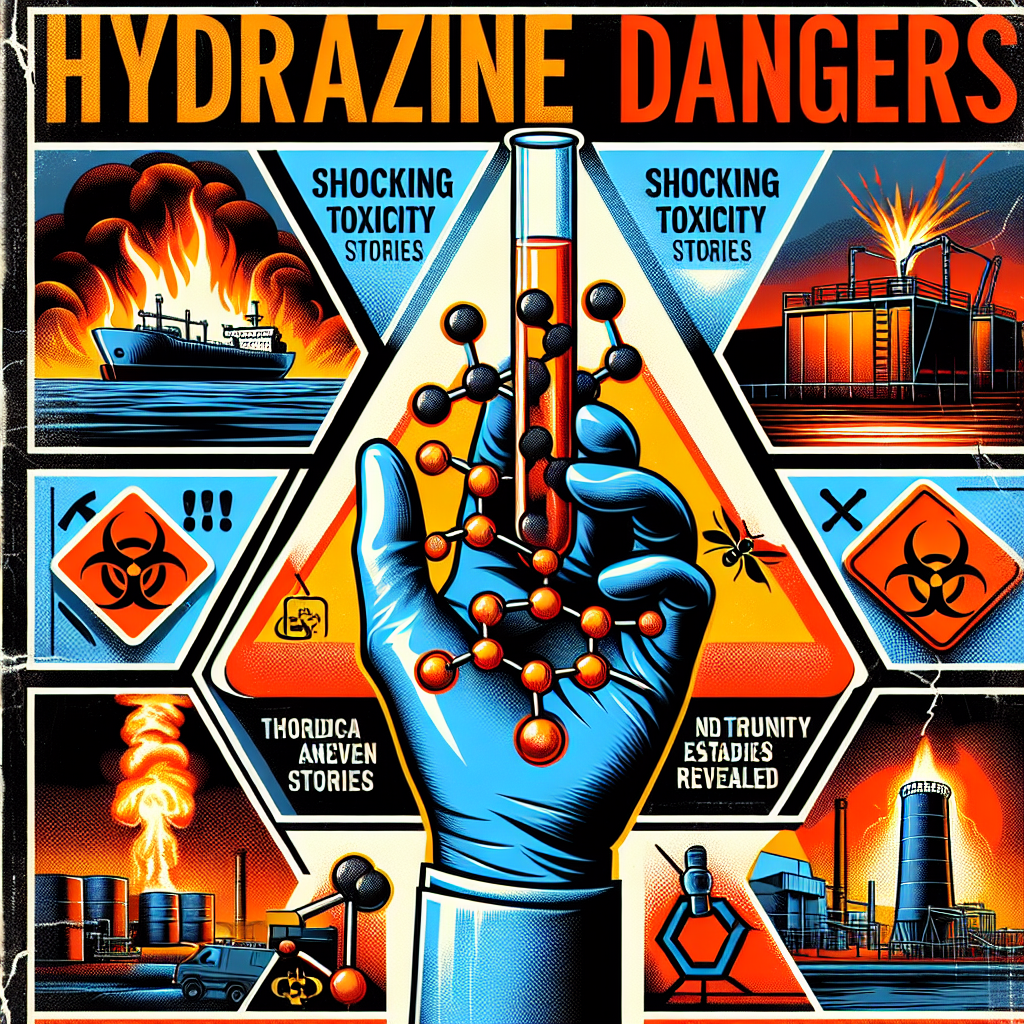
Hydrazine is a colorless and flammable liquid with an ammonia-like odor. It has a simple molecular formula (N2H4) and is often used in industrial processes. Its high energy output makes it valuable in fuel applications, but this same property also contributes to its volatility.
Hydrazine in Industry
Primarily utilized as a rocket fuel, hydrazine’s commercial applications include its role in the creation of pharmaceuticals, agrochemicals, and its use as an oxygen scavenger in water treatment processes. The compound’s ability to effectively prevent corrosion in power plant boilers highlights its industrial significance.
However, exposure to hydrazine can occur during manufacturing, transportation, or usage, making safety protocols and appropriate handling techniques imperative to prevent accidents and health hazards.
The Hidden Hazards: Understanding Hydrazine Toxicity
The true extent of hydrazine’s dangers is often underreported. Its effects can range from mild to severe, depending on the level and length of exposure. The substance poses significant health risks, affecting respiratory, hepatic, and neurological systems.
Short-Term Exposure Risks
Short-term exposure to hydrazine fumes can lead to:
– Irritation of the eyes and skin
– Respiratory distress
– Headaches and dizziness
Laboratory studies indicate that even low concentrations can cause significant discomfort. It is essential for individuals working with hydrazine to wear protective gear and ensure proper ventilation to mitigate these immediate effects.
Long-Term Exposure Risks
Longer exposure can result in chronic health conditions. Studies have shown that repeated contact with hydrazine can cause:
– Liver and kidney damage
– Neurological impairments
– Increased risk of cancer
The carcinogenic potential of hydrazine has been thoroughly studied, with evidence suggesting it can lead to tumors in laboratory animals. This risk underscores the need for stringent safety measures in environments where hydrazine is present.
Real-Life Incidents Highlighting Hydrazine Dangers
Several high-profile incidents have illustrated how hydrazine toxicity can create severe and sometimes fatal outcomes when safety measures fail.
Case Study 1: Space Shuttle Program
NASA’s space shuttle program frequently utilized hydrazine due to its high performance as a propellant. However, handling errors have occasionally led to accidents and hospitalizations. In some cases, it has caused workers to suffer from acute inhalation symptoms requiring urgent medical attention.
Case Study 2: Industrial Accidents
Over the years, numerous industrial accidents have highlighted hydrazine’s perils. In a widely publicized incident, a chemical plant leak resulted in the evacuation of workers and significant health impacts for those exposed. The incident led to increased safety regulations and reinforced the necessity for proper training and equipment.
Protecting Against Hydrazine Exposure
Given the established risks, it is critical to implement thorough safety practices to protect individuals from hydrazine’s effects.
Implementing Safety Measures
Industries using hydrazine must adhere to strict storage and handling guidelines. This includes:
– Utilizing specialized containers resistant to corrosion
– Employing appropriate personal protective equipment (PPE)
– Conducting regular safety drills and audits
Regulatory Standards
Government regulations play a pivotal role in ensuring safety. Agencies such as OSHA and EPA have established exposure limits and require companies to report usage and safety protocols. Compliance is mandatory, with significant penalties for violations.
The Future of Hydrazine Use
While hydrazine continues to be indispensably valuable, ongoing research aims to develop safer alternatives or methods to minimize exposure.
Alternative Solutions
Scientists are exploring novel compounds that could replace hydrazine in specific applications. These substitutes aim to retain the efficacy of hydrazine while reducing toxicity. This innovative research holds promise for industries seeking to align with greener and safer operational standards.
Awareness and Advocacy
Raising awareness about hydrazine dangers is essential for fostering a culture of safety. Community education programs, industry training initiatives, and advocacy are necessary to protect people and the environment from hydrazine’s potentially devastating effects.
Understanding the dangers associated with hydrazine is crucial for those who encounter it in professional settings. By emphasizing safety, adhering to regulations, and exploring alternatives, we can mitigate risks and safeguard public health. For individuals who have concerns regarding their exposure to hydrazine, ALS and Real Water cases, or related safety issues, we encourage you to reach out by visiting our contact page at “/contact”, explore more insights on our blog at “/blog”, or call us directly at “702-385-6000” for further assistance.