Real Water Negative Ions: Shocking Pseudoscience Scam?
Real water negative ions have sparked widespread curiosity and skepticism. Touted by some as a miraculous health-enhancing feature, these ions are increasingly scrutinized and debated for their legitimacy and potential impact on health. This article delves into the realities of negative ions in water, the associated pseudoscience claims, and what consumers should understand about this contentious topic.
Understanding Real Water Negative Ions
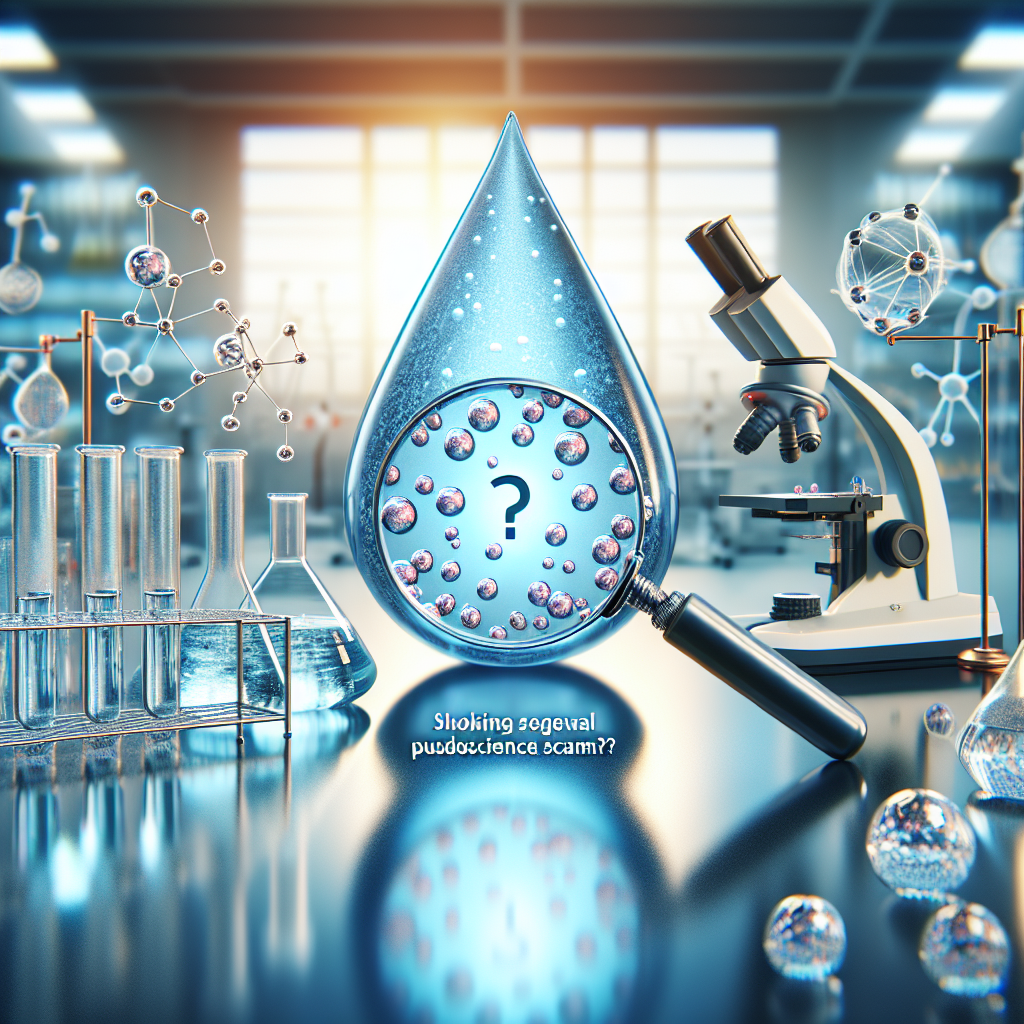
Negative ions are molecules that have gained an electron, believed to occur naturally in certain environments like forests or near waterfalls. Some proponents of negative ion technology claim these ions can enhance air and water quality, improve mood, and promote various health benefits.
Real Water, a brand promoting “alkalized” water infused with negative ions, suggests that these ions contribute to several health improvements. The stated benefits include increased energy, enhanced hydration, and improved mental clarity. While such claims sound compelling, it’s crucial to investigate the science—or lack thereof—behind them.
Pseudoscience Claims Behind Negative Ions
Pseudoscience refers to beliefs or practices mistakenly regarded as being based on the scientific method. The claims about real water negative ions often draw skepticism for their lack of robust scientific backing. Here’s a closer look at the alleged benefits and the potential pseudoscience behind them:
– Enhanced Hydration: The notion is that negatively charged water is absorbed more efficiently by the body. However, scientific evidence supporting this claim is sparse. Water absorption largely depends on individual hydration levels and physical conditions rather than molecular charge.
– Improved Mood and Decreased Stress: Although studies suggest that negatively charged air ions might uplift mood, results are not definitive. The extrapolation of these findings to water consumption lacks empirical evidence.
– Energy Boost: Claims regarding an energy increase through negative ion-rich water do not align with established nutritional science. Energy production is primarily a function of calorie intake and metabolism.
The Science—or Lack Thereof
Despite the marketed claims, real water negative ions are not sufficiently backed by rigorous scientific research. Peer-reviewed studies and reliable scientific proof are scarce in this domain, causing experts to question the validity of such health assertions.
Investigating Negative Ion Generators
Negative ion generators, often used in air purification, claim to release ions that might have health benefits. While some evidence suggests moderate mood improvement in specific contexts, translating these findings to drinking water is scientifically unsupported. The biochemical process of water absorption and ionization in the body is complex, making the efficacy of these claims dubious at best.
Regulatory Concerns
Given the health claims associated with real water negative ions, regulatory bodies like the FDA can step in to examine these assertions’ validity. The lack of these endorsements raises red flags about the product’s safety and effectiveness.
The Marketing Tactics Surrounding Negative Ions
Marketing strategies for products with negative ions often tap into consumer desires for health optimization and natural wellness solutions. Advertisements might feature testimonials and vague scientific jargon designed to suggest premium benefits without trustworthy evidence. This approach can mislead consumers seeking real improvements in their health and wellness regimes.
Consumer Awareness and Education
Empowering consumers with accurate information is critical. Understanding pseudoscience claims and recognizing the importance of scientific legitimacy enables individuals to make informed purchasing decisions. Awareness campaigns can significantly benefit from promoting science-based facts over unproven claims.
What Science Says About Safe Water Consumption
For safe and beneficial hydration, consumers should turn to scientifically backed recommendations. Key aspects of healthy water consumption include:
– Drinking adequate amounts of water daily to support metabolic functions and overall health
– Prioritizing regular tap or bottled water that complies with health and safety standards
– Being cautious of extravagant health claims that may lack scientific grounding
Conclusion: Moving Towards Informed Choices
The allure of novel health products often leads to the exploration of intriguing claims like those associated with real water negative ions. However, the absence of strong scientific evidence surrounding these assertions should prompt consumers to tread carefully. Prioritizing fact over fiction ensures better health outcomes and more confident purchasing decisions.
Call to Action
If you have concerns regarding ALS and Real Water, reach out for support through lasvegasrealwaterals.com/contact. Explore more related content on our blog for further insights. For immediate assistance, call 702-385-6000.
References
– Scientific American: Do Negative Ions Affect Health?
– Mayo Clinic: Alkaline Water: Better Than Plain Water?
– The National Center for Biotechnology Information (NCBI): Negative Ion Therapy