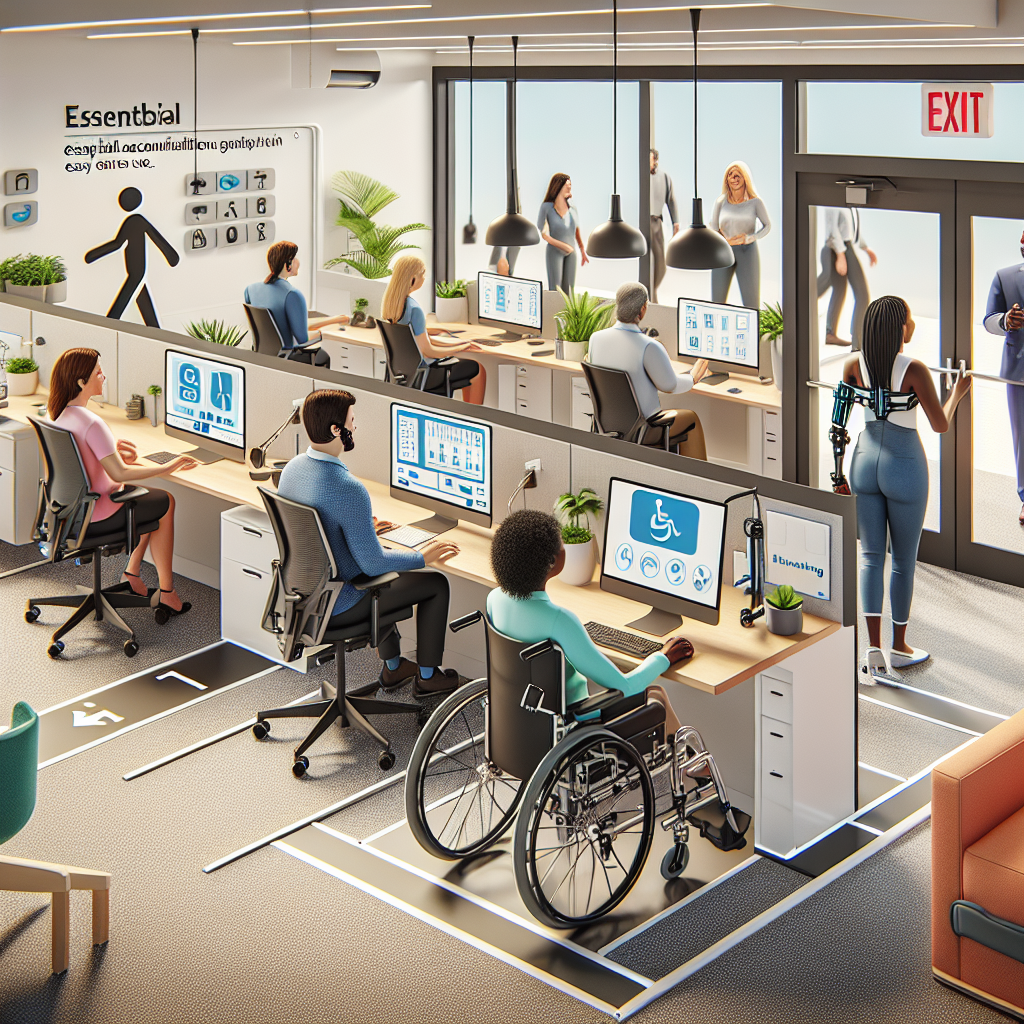
ALS Accommodations: Essential Tips for a Supportive Workplace
Understanding ALS and Its Impact on Employment
ALS workplace accommodations are crucial for individuals diagnosed with Amyotrophic Lateral Sclerosis (ALS), a progressive neurodegenerative disease affecting nerve cells in the brain and spinal cord. As it progresses, ALS impairs a person’s ability to control muscle movements, often leading to significant physical and functional challenges. Despite these challenges, many individuals with ALS wish to continue working. For them, finding a supportive work environment with appropriate accommodations can greatly impact their quality of life and job performance.
Why Accommodations Matter in the ALS Workplace
Creating an inclusive workplace for employees with ALS is not only a legal requirement under laws such as the Americans with Disabilities Act (ADA) but also a proactive step towards fostering a compassionate and productive working environment. ALS workplace accommodations can take various forms, from physical adjustments and flexible scheduling to technological support. These modifications can help employees maintain their independence, contribute effectively to their roles, and feel valued by their employers.
Physical Access and Ergonomics
H2: Designing an ALS-Inclusive Workplace
One of the primary considerations for ALS workplace accommodations is ensuring that the physical workspace is accessible. This may involve:
– Adjustable Workstations: Employees with ALS might benefit from desks that can be raised or lowered, allowing them to work standing or sitting comfortably as needed. Providing ergonomic chairs with adequate support can also alleviate discomfort during long hours of work.
– Accessible Routes and Facilities: Ensure that pathways are wide enough for wheelchairs and that workstations are easily reachable. Restroom facilities should be equipped with grab bars and other necessary modifications.
– Assistive Devices: Provide devices such as speech-to-text software, adaptive keyboards, and trackball mice, which can help employees with limited mobility and fine motor skills.
Flexible Scheduling Options
H2: The Role of Flexibility in ALS Workplace Accommodations
Flexibility is key to accommodating the varying needs of employees with ALS. This includes:
– Remote Work Options: For individuals who experience fatigue or struggle with commuting, the option to work from home can be invaluable. Employers can facilitate this through secure digital platforms for communication and document sharing.
– Modified Work Hours: Allowing flexible work hours can help employees manage fatigue better. Part-time schedules or job-sharing arrangements can also be considered.
– Breaks and Rest Periods: Encouraging regular breaks can help mitigate fatigue and improve concentration and productivity. Design workplaces to include relaxation areas where employees can take short breaks.
Technological Support and Training
H2: Leveraging Technology for ALS Workplace Support
Technology plays a significant role in supporting employees with ALS. Implementing and investing in the right technology can transform their work experience:
– Communication Tools: Providing tools like voice-activated software and screen readers can enhance communication for those with speech difficulties. Platforms for instant messaging and video calls can also facilitate seamless interaction with colleagues.
– Training Programs: Regular training on using assistive technologies ensures that both the employee and the coworkers are comfortable and efficient in their tasks. It is important to provide ongoing support and updates as technologies evolve.
– Digital Accessibility: Ensure that company intranet, emails, and other digital resources are accessible to those who may have visual or motor impairments. This might include the use of accessible formats and compatibility with screen readers.
Creating a Supportive Culture
H2: Building an ALS-Friendly Work Environment
Beyond physical and technological accommodations, fostering a culture of understanding and support is essential:
– Awareness and Sensitivity Training: Regular workshops can educate all employees about ALS, promoting empathy and understanding. It’s essential for coworkers to understand the challenges faced by their peers and how to assist appropriately.
– Open Communication: Encourage a culture where employees feel comfortable discussing their needs and challenges. Regular check-ins with HR or management can help identify any required adjustments in accommodations.
– Support Networks: Facilitating support groups or mentorship programs within the workplace can provide emotional and social support to employees with ALS. Collaborations with ALS associations for additional resources and guidance can also be invaluable.
Legal and Policy Considerations
H2: Navigating the Legal Landscape of ALS Accommodations
Understanding the legal framework surrounding disabilities is crucial for employers:
– Compliance with ADA: Ensure all ALS workplace accommodations comply with ADA regulations. This includes evaluating job descriptions, maintaining non-discriminatory hiring practices, and ensuring reasonable adjustments are made when required.
– Regular Policy Review: Regular audits of workplace policies can help identify any gaps or areas for improvement in accommodating employees with ALS and other disabilities.
– Documentation and Feedback: Documenting accommodation requests and maintaining records helps ensure that employees’ needs are met consistently and legally. Feedback mechanisms can provide insights into the effectiveness of current accommodations.
Concluding Thoughts on ALS Workplace Accommodations
Creating a supportive workplace for individuals with ALS is a multifaceted endeavor. By emphasizing physical accessibility, flexible work options, technological support, and fostering a culture of inclusivity, employers can significantly improve the work experience of their employees with ALS. Such efforts not only enhance the quality of life for those affected by ALS but also enrich the workplace with diversity, empathy, and innovation.
For anyone facing challenges related to ALS and accommodations, or seeking advice on building a supportive work environment, we encourage you to reach out through our contact page at “/contact”. For more insights, visit our blog at “/blog”. If you need immediate assistance, please call us at 702-385-6000.