FDA Real Water Warning: Shocking Health Alert
The FDA Real Water Warning has sent shockwaves through communities, highlighting a significant public health alert that calls for immediate attention. The U.S. Food and Drug Administration (FDA) has issued a stern warning regarding Real Water, a brand of alkaline water, after reports of acute liver damage and other related health issues surfaced. This incident underscores the importance of vigilance and awareness concerning food and beverages consumed by the public. Let’s explore the FDA’s warning, its implications, and what consumers need to know to stay safe.
Understanding the FDA Real Water Warning
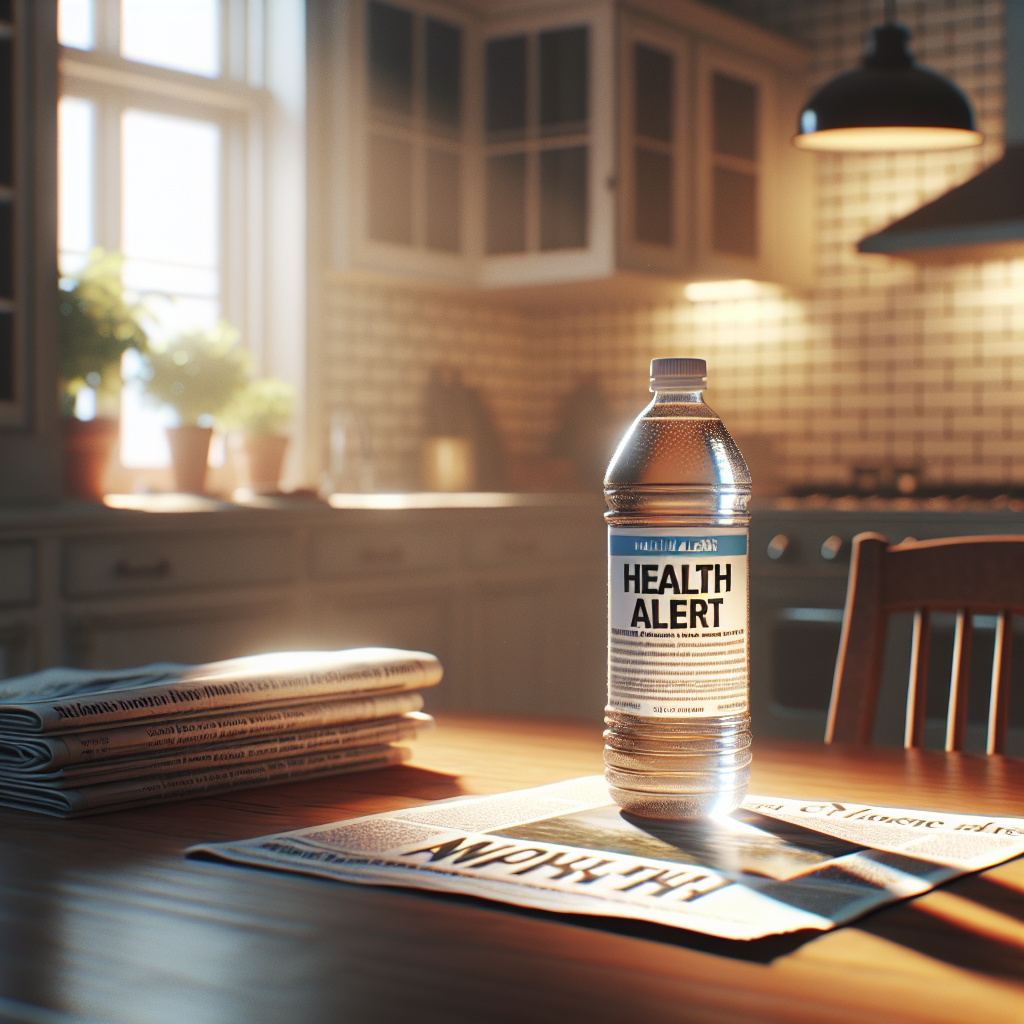
The FDA’s announcement about Real Water stems from numerous reports of severe health complications observed in individuals consuming this product. A spate of acute, nonviral hepatitis cases, particularly in young children and infants, raised alarms. Acute hepatitis is a condition characterized by inflammation of the liver, leading to symptoms such as fatigue, nausea, vomiting, and jaundice—symptoms that can often escalate swiftly without appropriate medical intervention.
This public health alert urged consumers, retailers, and distributors to halt the sale and distribution of Real Water until further investigation determined the cause of the illnesses. This proactive measure aimed to prevent further health complications while scientific evaluations were underway.
What Is Real Water?
Real Water, marketed as “alkaline water with electrons,” claims to offer numerous health benefits ranging from increased hydration to improved energy levels. Alkaline water is touted for having a higher pH level than regular drinking water, which proponents claim can neutralize acid in the bloodstream, leading to remarkable health improvements. However, as the FDA Real Water Warning indicates, these products can sometimes pose unforeseen risks.
The Science Behind Alkaline Water
The concept of alkaline water revolves around altering the pH balance of regular water. Normal drinking water usually has a neutral pH close to 7, whereas alkaline water possesses a pH of 8 or 9. Certain studies suggest alkaline water may offer limited health benefits, such as aiding with acid reflux. Nevertheless, there remains significant debate within the scientific community regarding its effectiveness and safety.
No substantial scientific evidence supports claims that alkaline water can deliver significant health benefits over normal water. Moreover, altering the natural pH of substances consumed might introduce unexpected health risks, as seemingly evident in this situation.
Consumer Awareness: The Power of Vigilance
Essential lessons can be gleaned from the FDA Real Water Warning, particularly in the realm of consumer safety. Staying informed and cautiously critical of seemingly beneficial products is essential. This includes:
– Reading Labels: Always scrutinize product labels and research claims that appear too good to be true.
– Reliable Sources: Consult reliable health and safety websites for up-to-date product evaluations and safety alerts.
– Consulting Professionals: Seek advice from healthcare professionals before introducing new health products into your routine.
For consumers, being proactive about the products they consume is crucial. This ensures that safety remains a priority while avoiding unforeseen health consequences from unverified claims.
Public Health Alert Protocols
The FDA’s actions during this alert highlight essential protocols intended to protect public health. When an alert is issued, these steps usually follow:
– Investigation Initiation: The FDA collaborates with local health departments for thorough investigations.
– Product Distribution Halted: Retailers and distributors receive notifications to stop selling or distributing the implicated product.
– Consumer Warnings: Public alerts and recall notices are disseminated through various media channels to alert the public.
– Ongoing Communication: Continuous updates ensure that consumers and stakeholders are informed immediately about any new findings or safety measures.
These measures form a critical blueprint designed to protect consumers and maintain public trust in health authorities.
Steps to Take if You’ve Been Affected
Given the severity of the FDA Real Water Warning, individuals and families who have consumed Real Water and experience any adverse symptoms should seek medical advice promptly. Here’s what to do:
– Monitor Symptoms: Watch for signs of nausea, fatigue, and jaundice, and consult a medical professional if they develop.
– Retain Product Information: Keep any Real Water containers or receipts for reference, which can assist in investigations.
– Report: Contact the FDA to report any adverse effects. This can provide valuable data for ongoing health assessments.
These steps can help ensure that any health complications are addressed quickly and added to the broader data pool for analysis.
Conclusion: Stay Informed and Safe
The FDA Real Water Warning serves as a stark reminder of the potential dangers that can exist within seemingly harmless products. Consumers are encouraged to remain vigilant, informed, and proactive concerning the products they introduce to their lives and the lives of their loved ones. By staying educated and cautious, the chances of encountering similar health risks can be significantly reduced.
For those impacted or seeking more information, reach out about their ALS and Real Water case through the contact page on the provided website. Explore more related content on the blog page for further insights and updates. For immediate assistance, call 702-385-6000.
References
– FDA Statement
– Healthline: Alkaline Water Myths
– CDC: Information on Hepatitis