Real Water Tank Contamination: Shocking Sanitation Failure
Real water tank contamination underscores a sanitation failure of significant concern. Understanding the complexities surrounding this issue is critical for both consumers and stakeholders in the water industry. Contaminated water not only poses health risks but also raises questions about the integrity and compliance of water storage systems. This article delves into the causes, consequences, and preventive measures associated with water storage contamination, offering insights for ensuring safe and clean water for all.
Understanding Real Water Tank Contamination
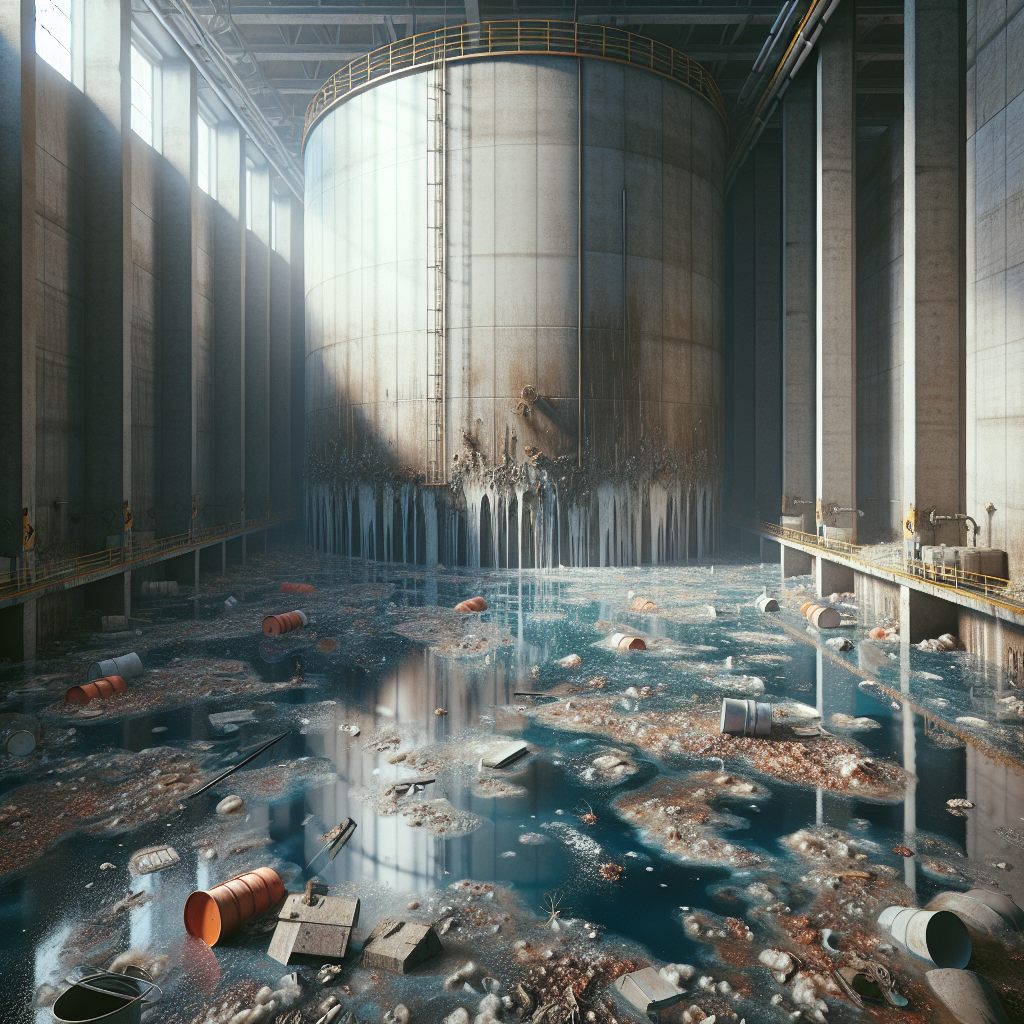
Contamination in water storage systems can occur due to a variety of reasons. These might include improper installation, inadequate maintenance, or environmental factors. Water tanks are integral components of the water supply chain, yet their significance is often underestimated until problems arise.
Common Contaminants Found in Water Tanks
Microorganisms: Bacteria, viruses, and protozoans can thrive in water, leading to diseases.
Chemicals: Industrial pollutants or agricultural runoff may seep into tanks, contaminating water.
Heavy Metals: Lead, mercury, and other metals pose serious health hazards when they infiltrate water supplies.
Routine inspections and maintenance are vital in detecting and mitigating these hazards before they impact water quality.
The Impact of Sanitation Failure
Health Implications
Contaminated water is a breeding ground for pathogens. The consumption of such water can lead to numerous health issues, ranging from mild gastrointestinal discomfort to severe diseases like hepatitis and typhoid. According to the World Health Organization, contaminated drinking water causes over 485,000 diarrheal deaths each year.
Economic Consequences
Sanitation failures can lead to significant economic losses. Contamination can result in expensive cleanups and reparations and discourage consumer trust. Businesses depending on water for operation might face disruptions, affecting productivity and profitability.
Causes of Water Tank Sanitation Failure
Understanding the root causes of sanitation failures in water tanks is crucial for preventing contamination. Some of these causes include:
Poor Maintenance: Neglected tanks can accumulate debris, which supports bacterial growth.
Environmental Pollution: Proximity to industrial areas can increase the risk of pollutants entering tanks.
Aging Infrastructure: Older tanks or pipes are prone to leaks and cracks, allowing contaminants to infiltrate.
Human Error: Improper handling and maintenance procedures can lead to failures in sanitation.
Preventive Measures Against Water Tank Contamination
Ensuring the cleanliness and safety of water storage systems involves a proactive approach.
Regular Cleaning and Maintenance
Schedule routine inspections and cleaning to prevent the buildup of harmful substances.
Implement strict maintenance protocols to address any wear and tear promptly.
Installing Quality Filtration Systems
Ensure that filtration systems are in place to remove contaminants effectively. Regular replacement of filters is also crucial to ensure optimal performance.
Implementing Water Testing Protocols
Regular water quality testing can help detect contamination early. Adopt standardized testing protocols and work with certified laboratories to assess water quality accurately.
Investing in Advanced Materials and Technology
Upgrade aging infrastructure with modern materials that are resistant to corrosion and environmental damage. Implement technologies that allow real-time monitoring of water quality and tank conditions.
Legal and Regulatory Considerations
The water industry is subject to a range of regulations aimed at ensuring public safety. Compliance with these regulations is essential for avoiding sanctions and ensuring consumer trust. Authorities like the Environmental Protection Agency (EPA) set guidelines and standards for water safety. Companies must stay informed of these requirements and demonstrate adherence through documented inspections and audits.
Real Water Tank Sanitization: A Community Responsibility
Maintaining clean water storage is a shared responsibility between water suppliers, regulatory bodies, and consumers. Engaging with local communities to raise awareness about safe water practices can lead to more effective prevention strategies. Educating consumers on recognizing signs of contamination and encouraging prompt reporting can further safeguard public health.
Conclusion
Addressing real water tank contamination is imperative to prevent sanitation failures with severe consequences. By understanding the causes and impacts, and adopting comprehensive preventive measures, the safety and quality of water storage can be greatly enhanced.
For those affected or seeking assistance, reach out about your ALS and Real Water case through the lasvegasrealwaterals.com website’s /contact page. Explore more related content on the lasvegasrealwaterals.com website’s /blog page, or call 702-385-6000 for immediate assistance.
References
World Health Organization – Drinking-water
Environmental Protection Agency – Water Regulations
Centers for Disease Control and Prevention – Waterborne Diseases